C&L Shows
A botanist in the field: the Kashmir archives of PN Kohli
2026
Overview
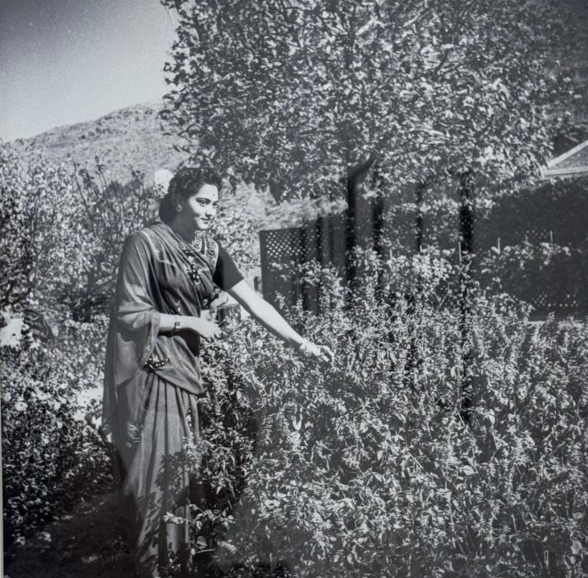
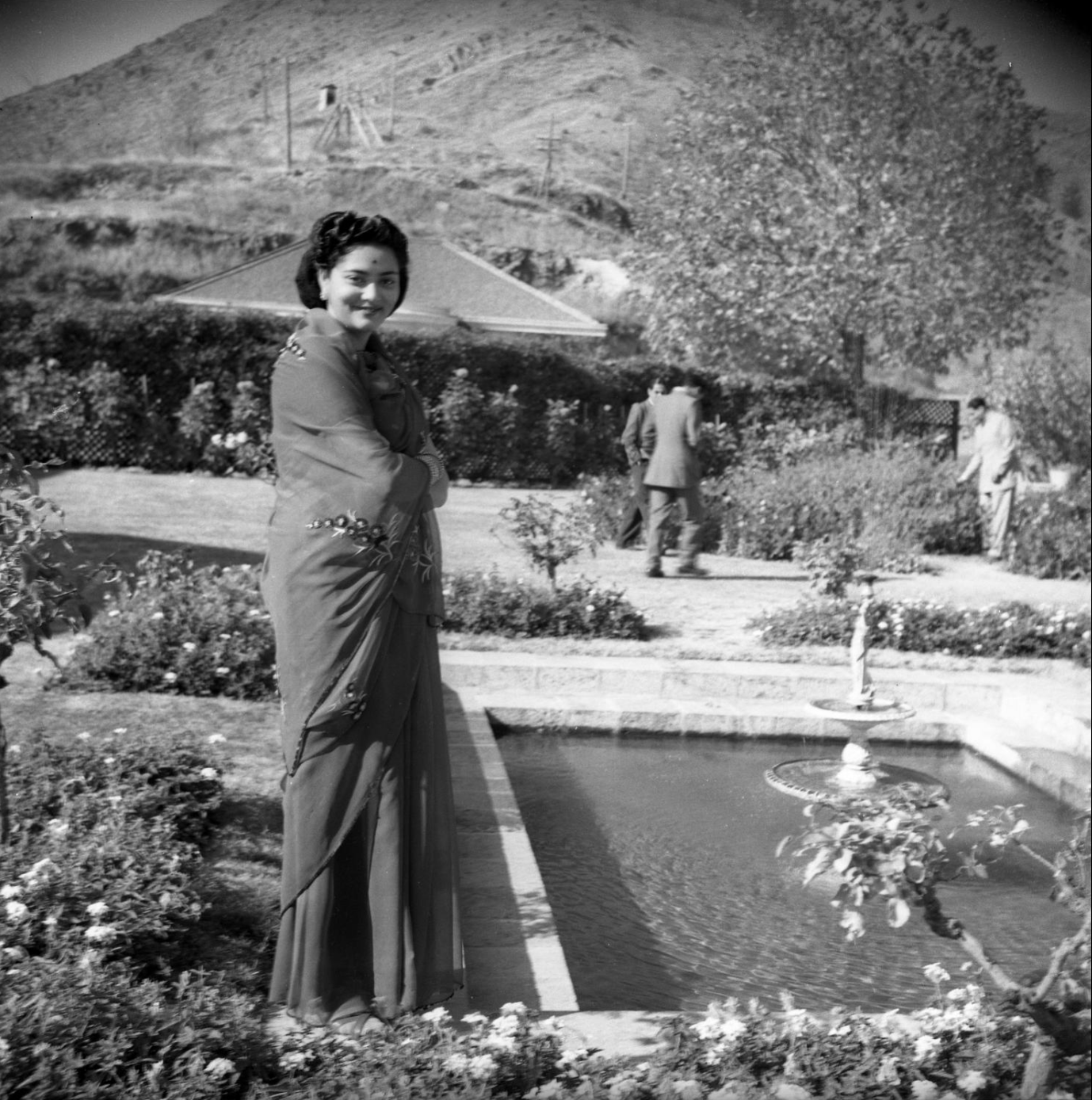
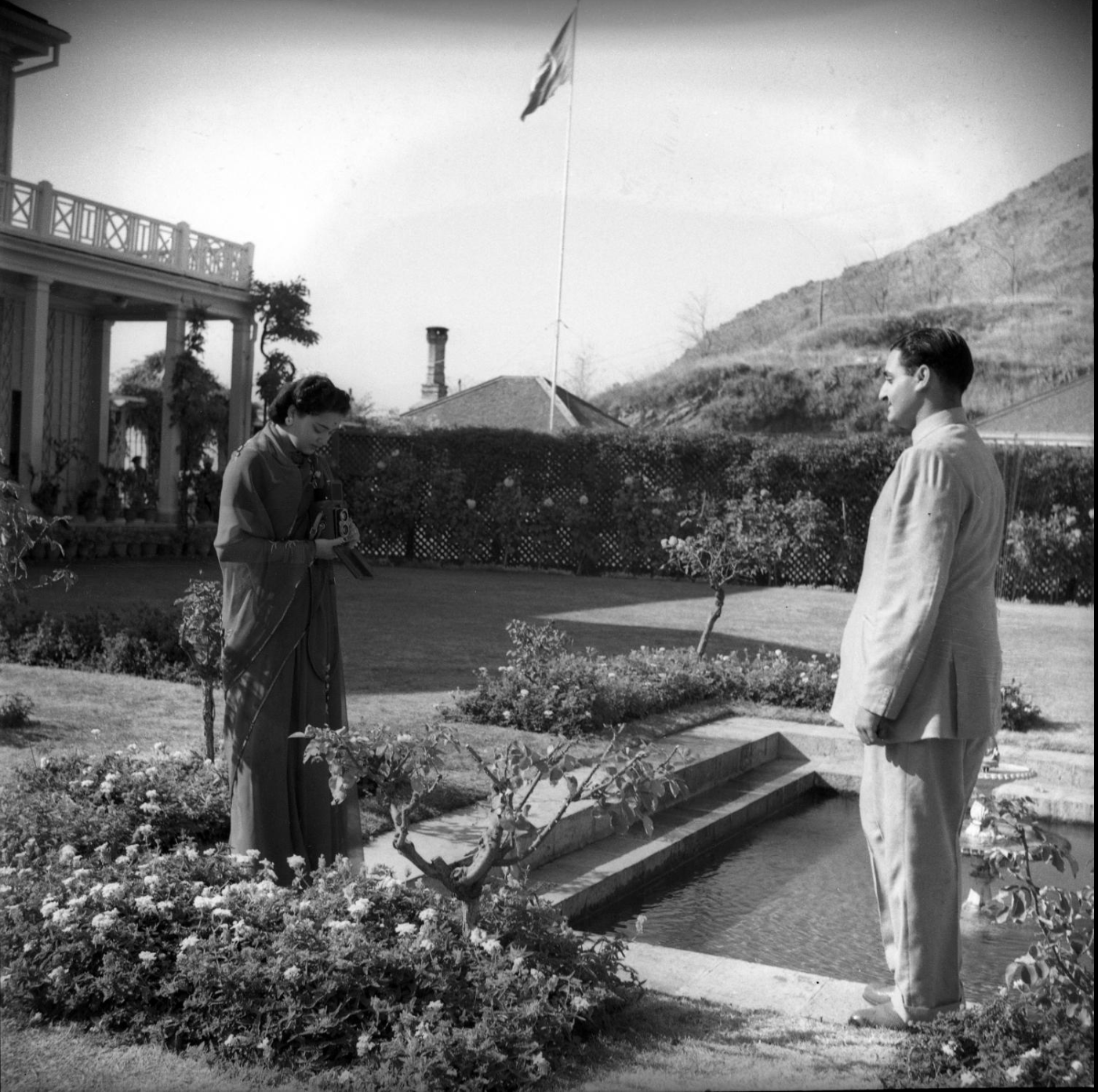
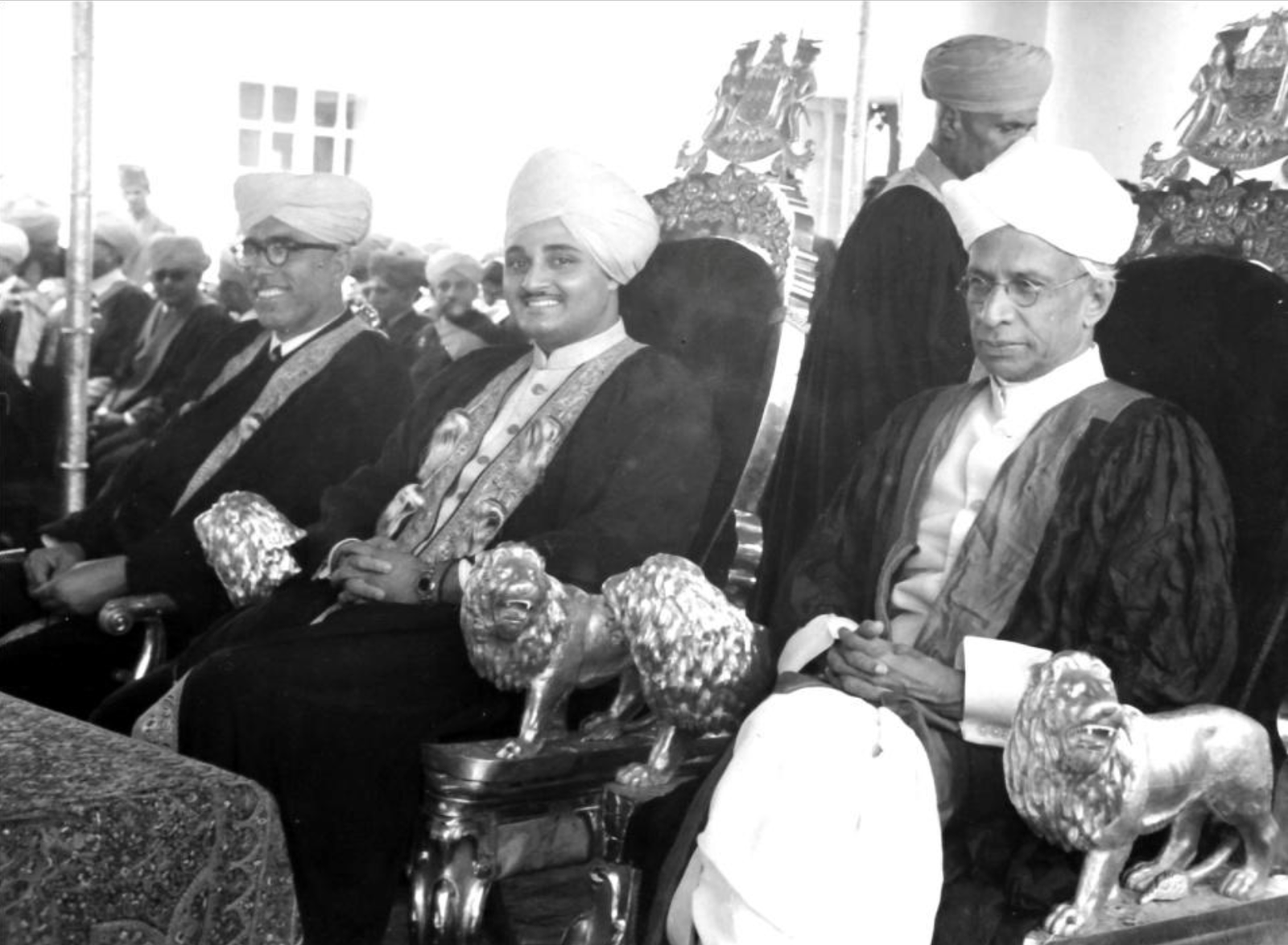
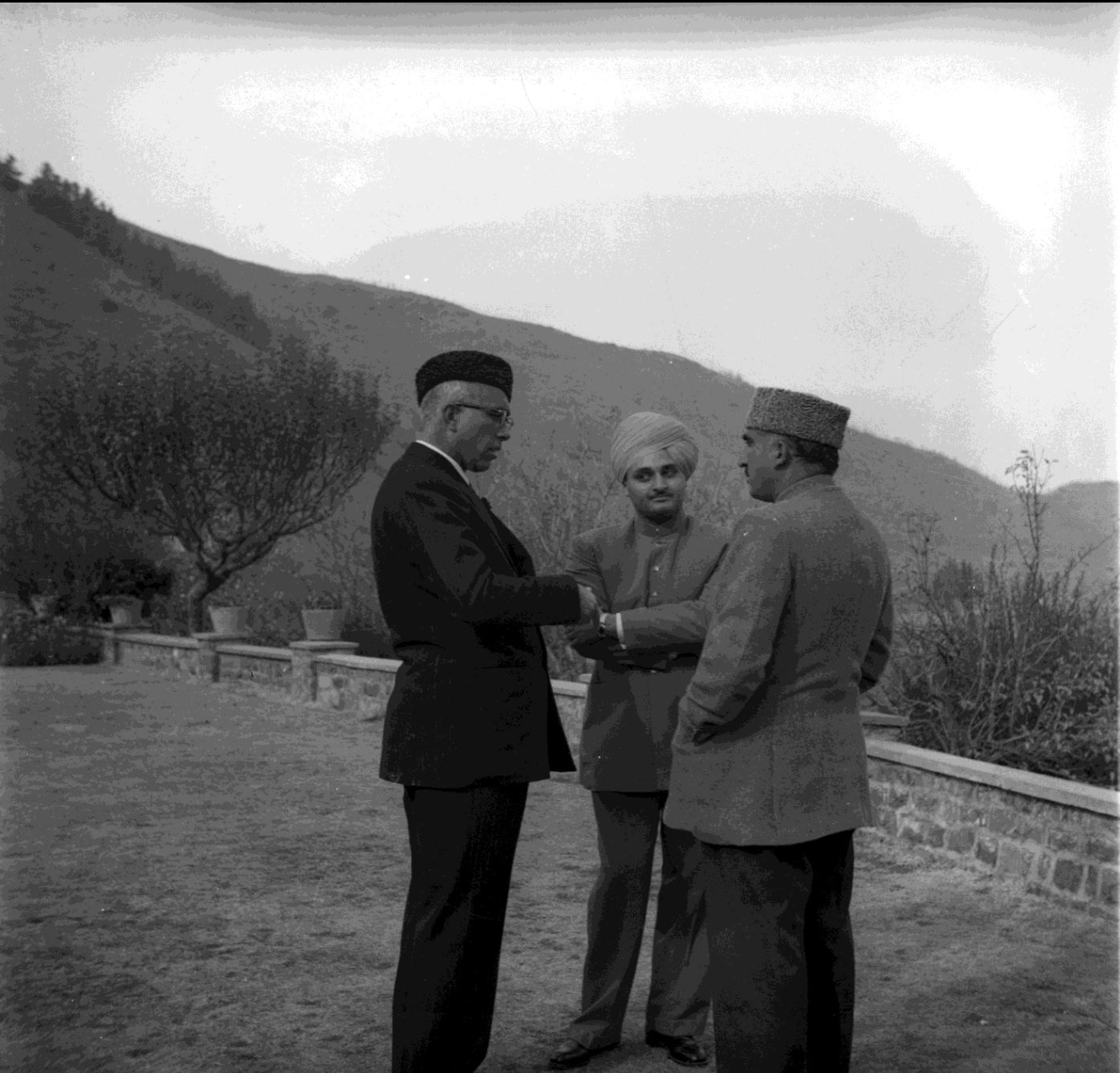
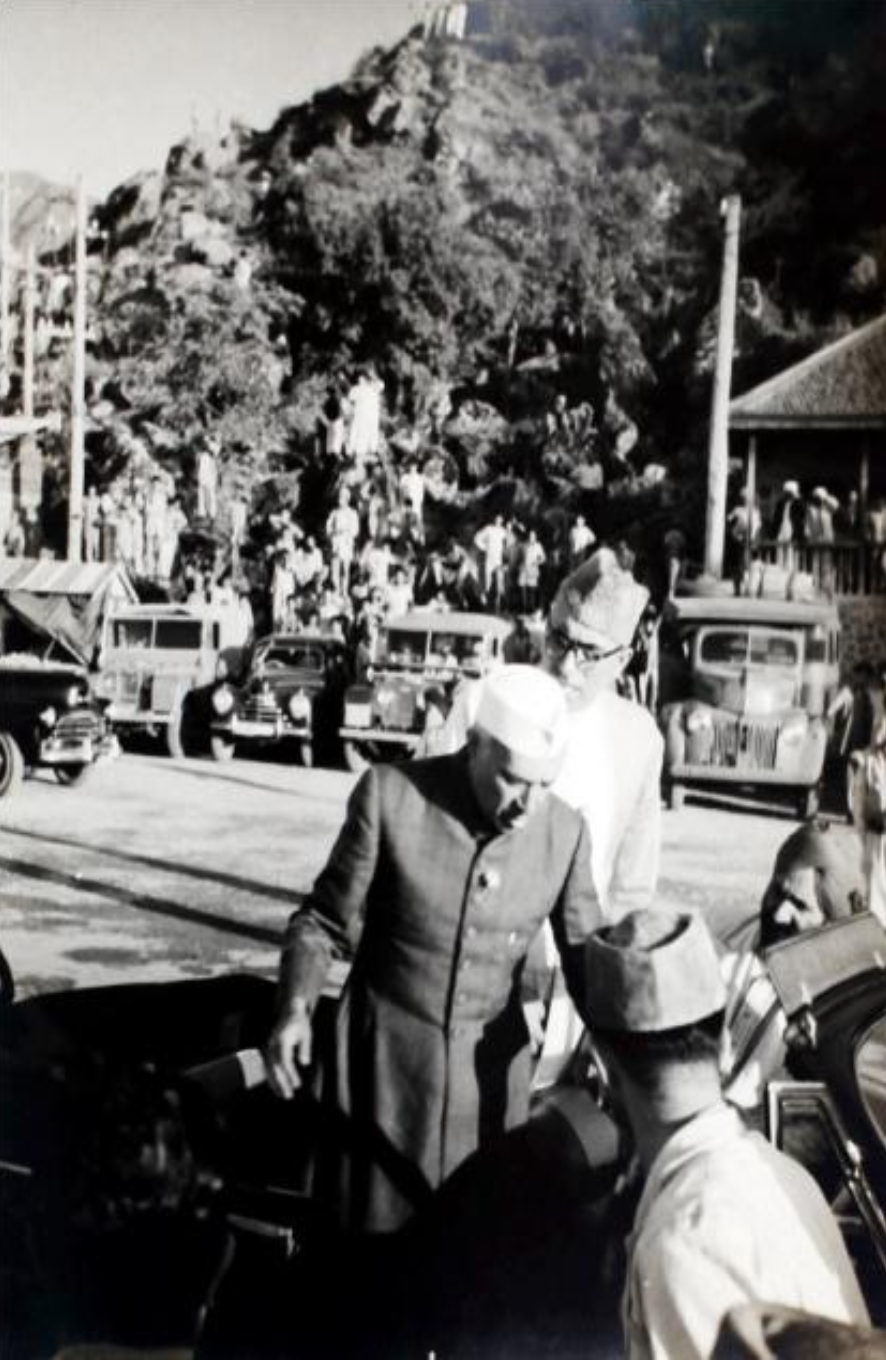
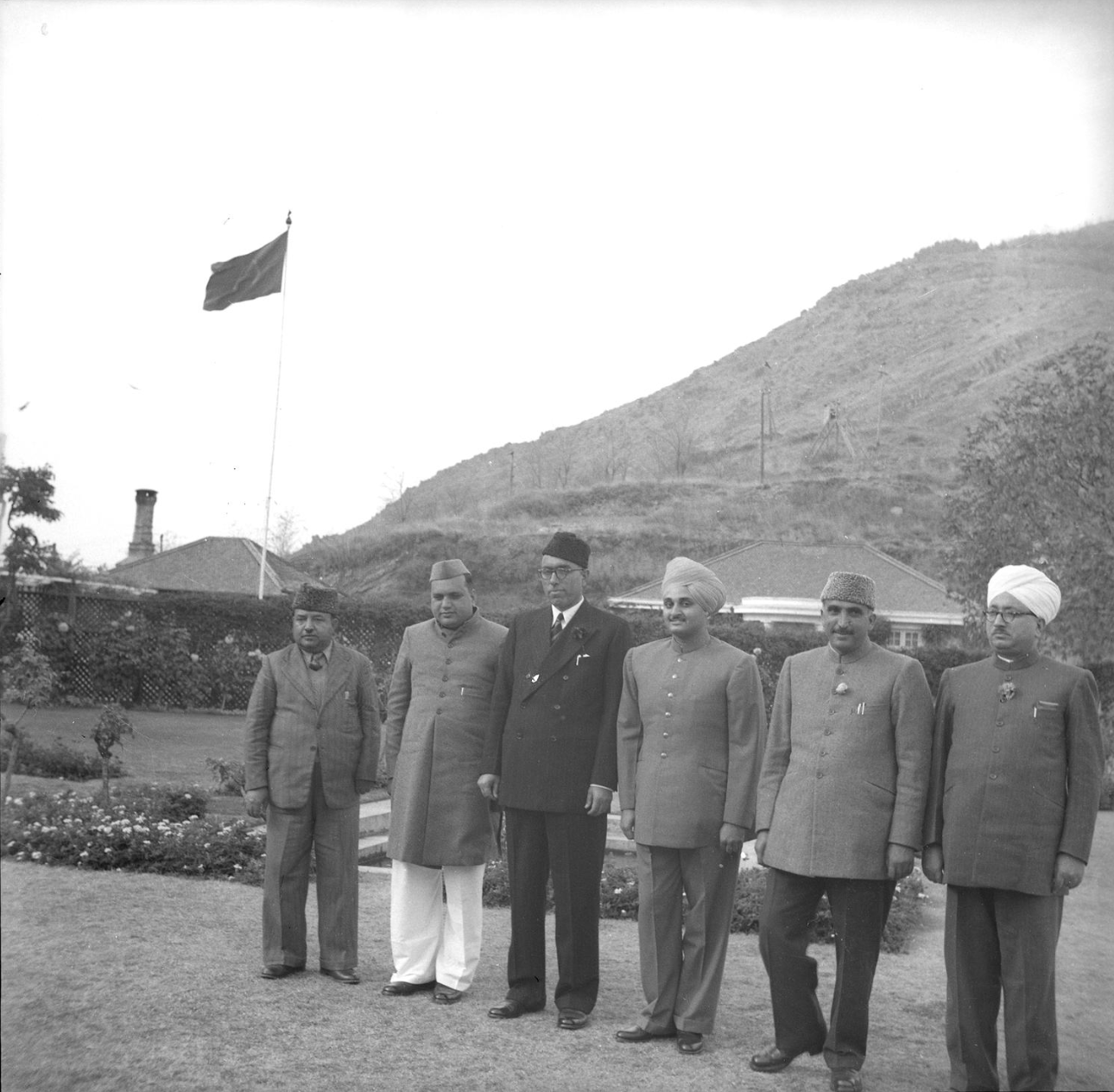
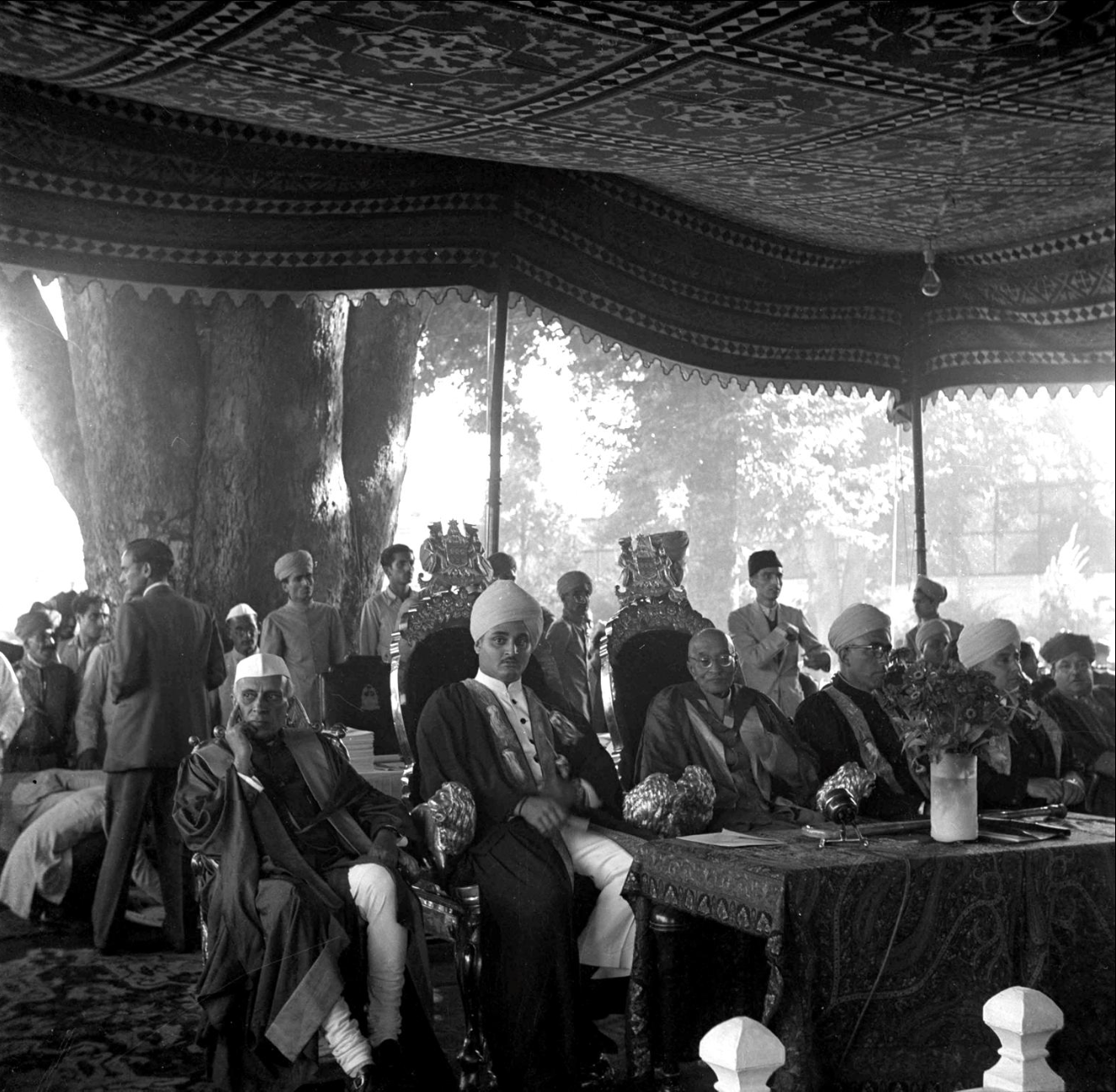
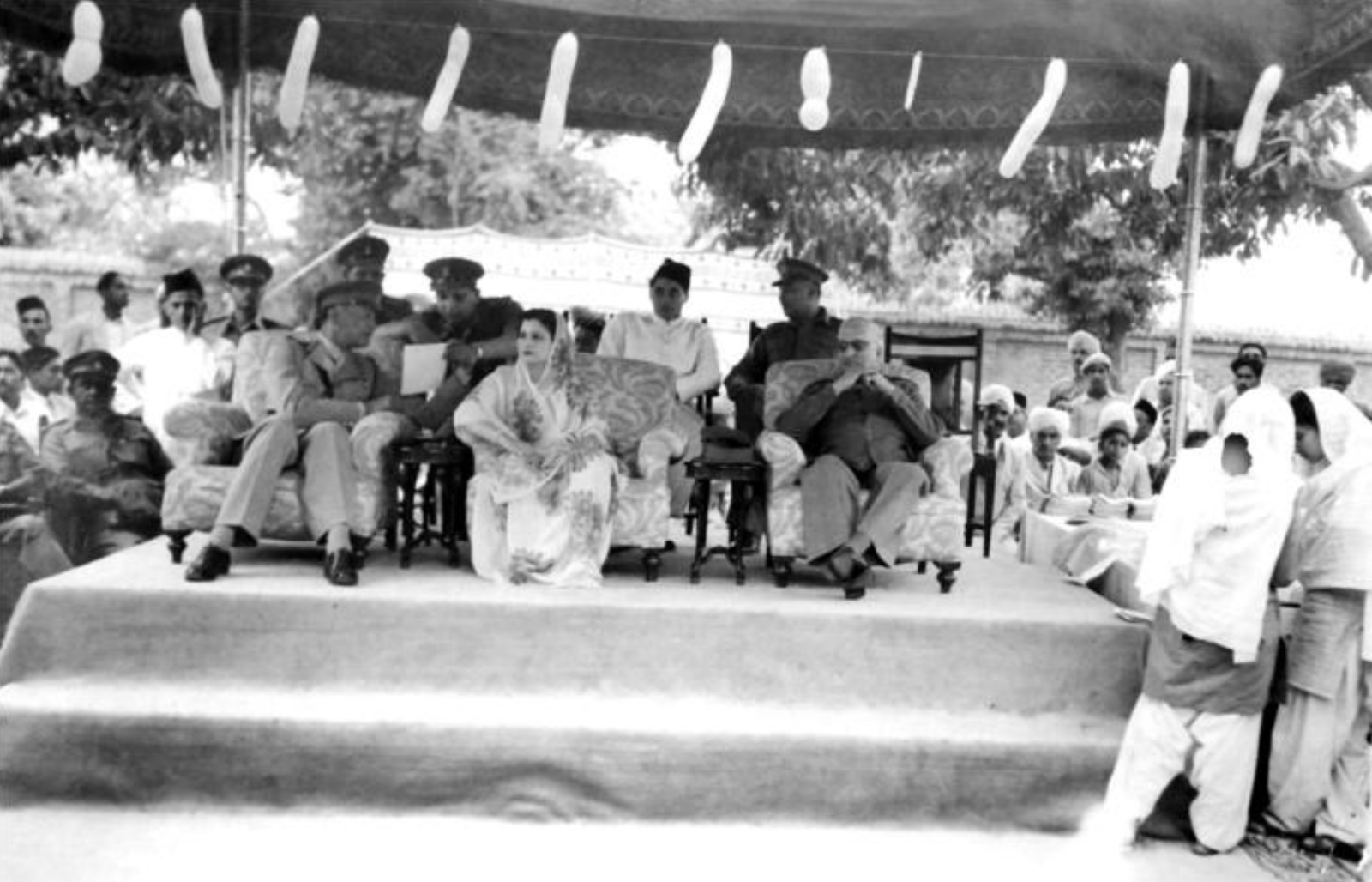
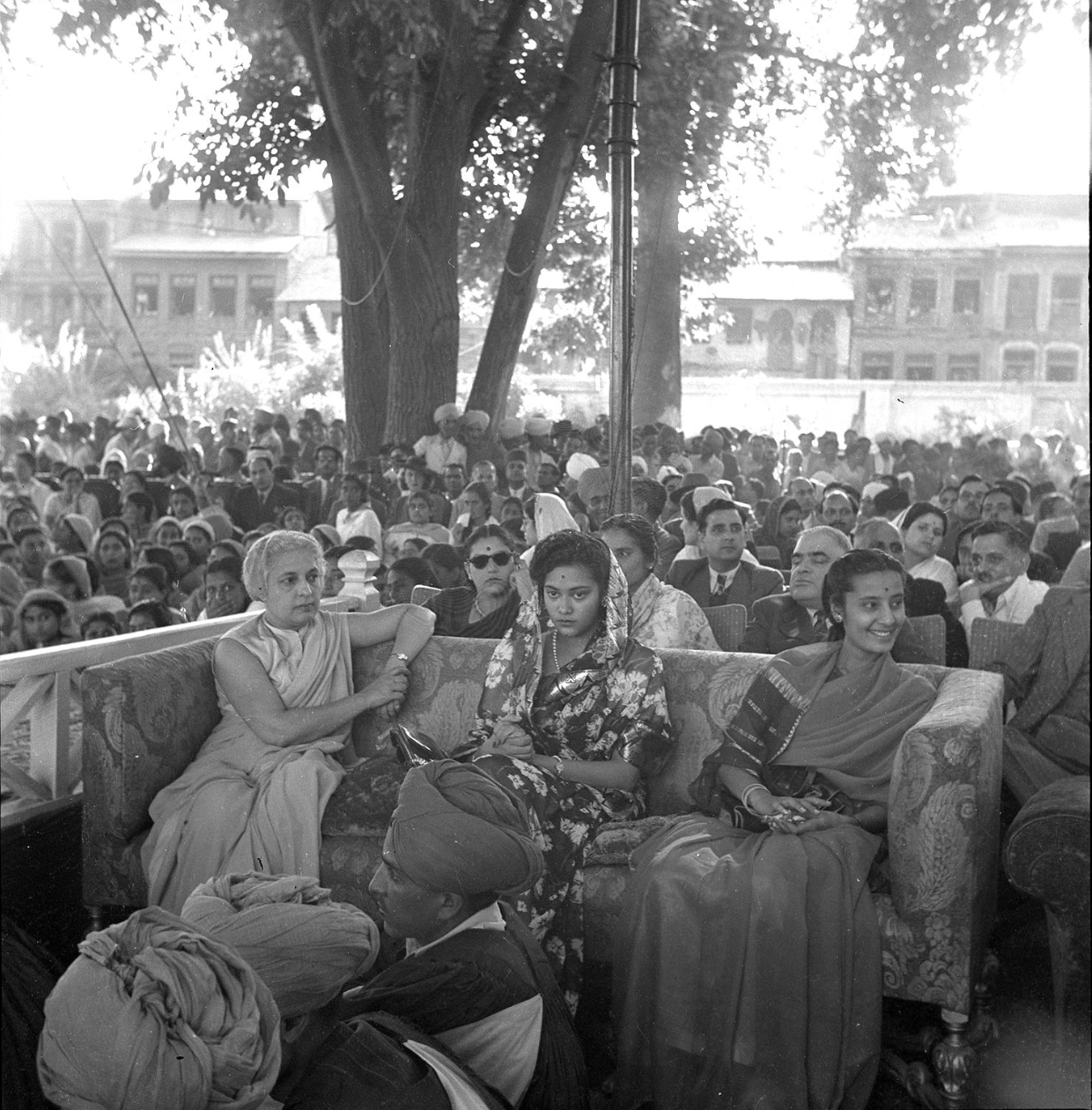
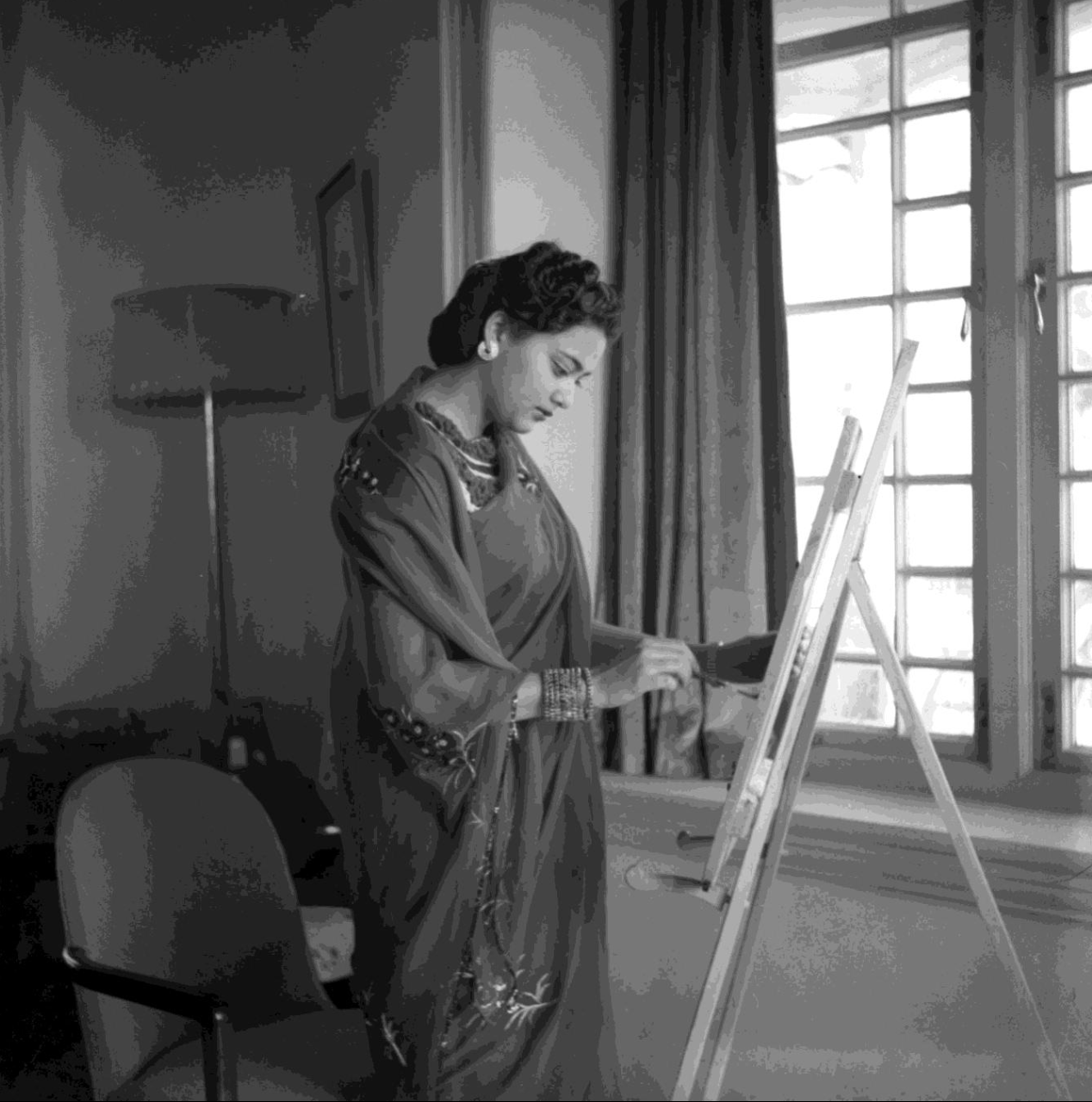
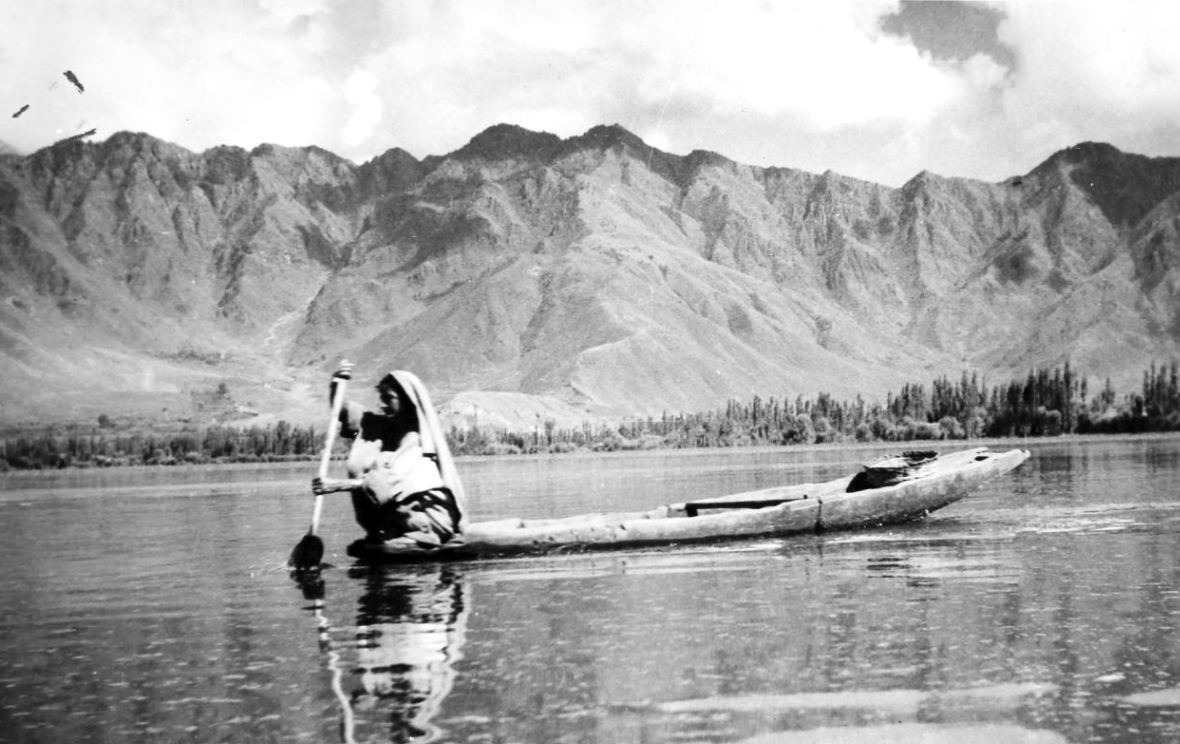
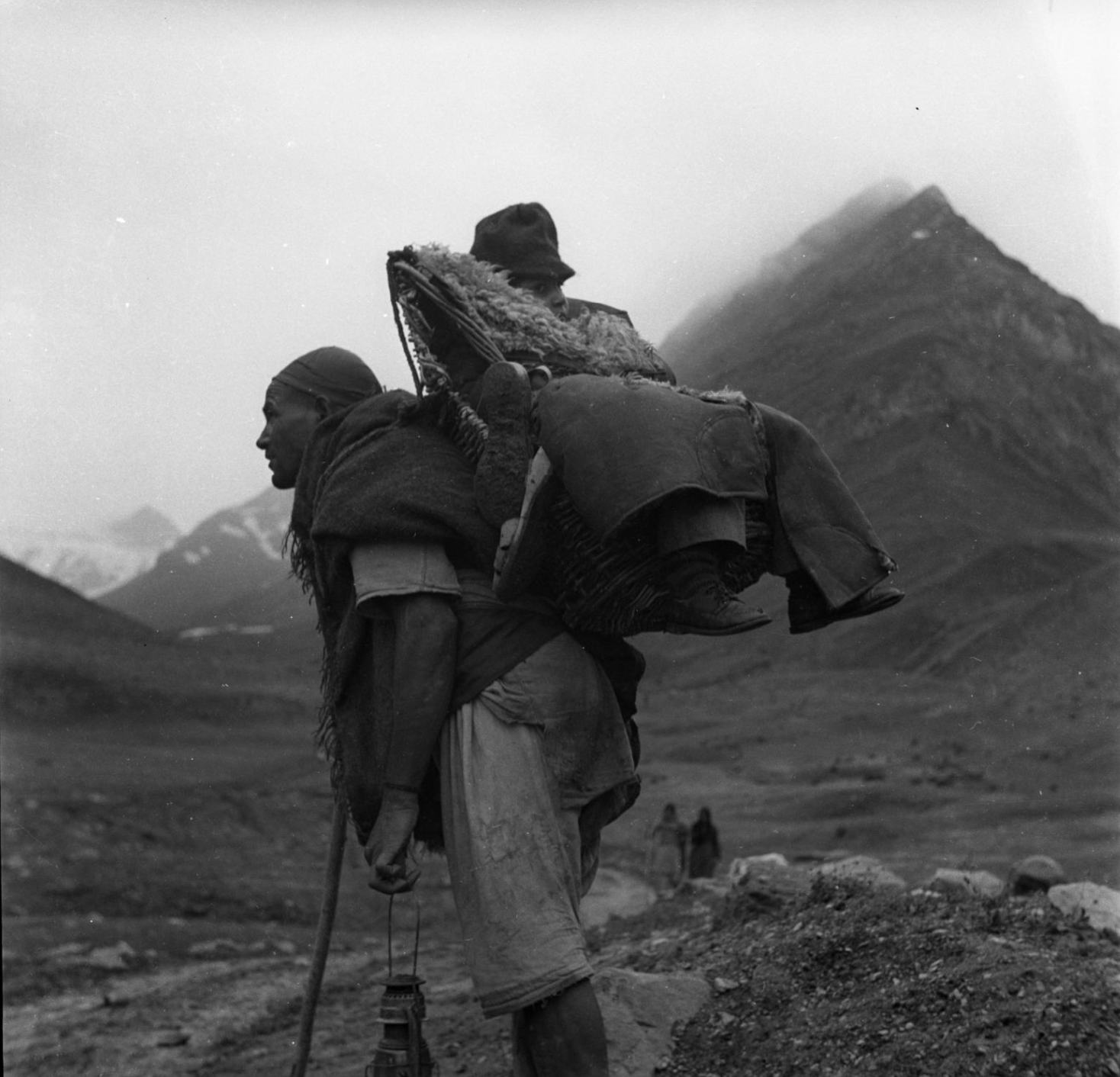
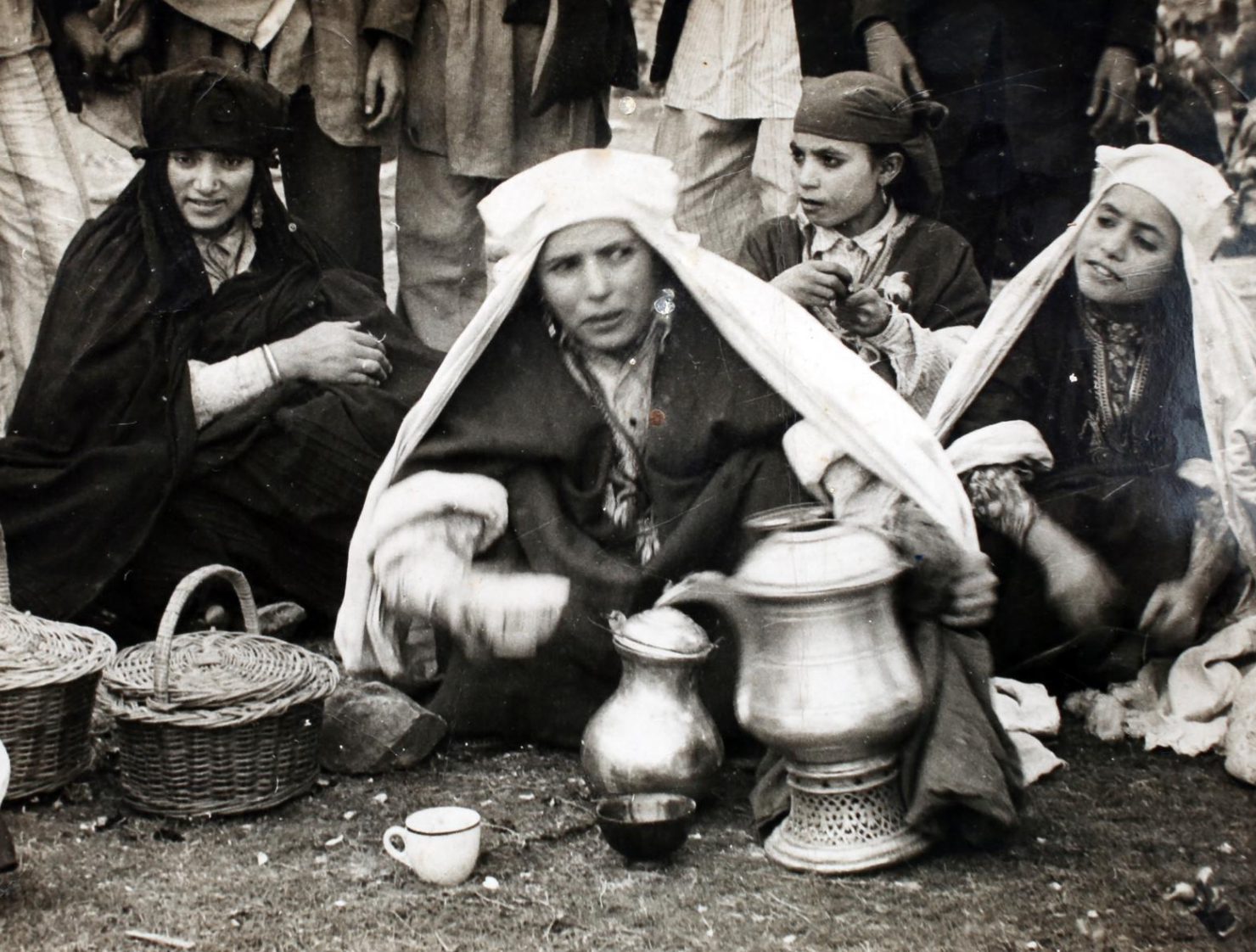
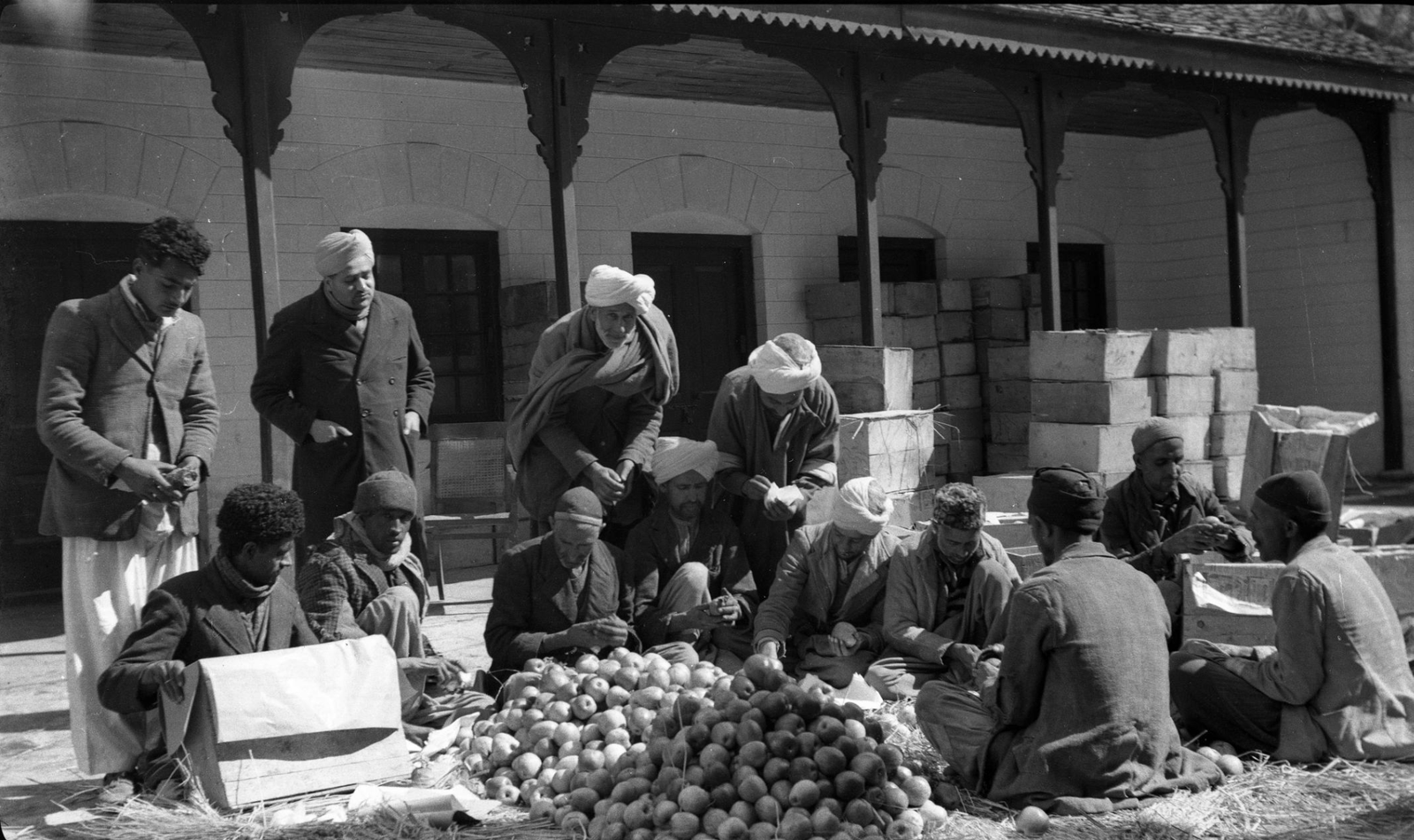
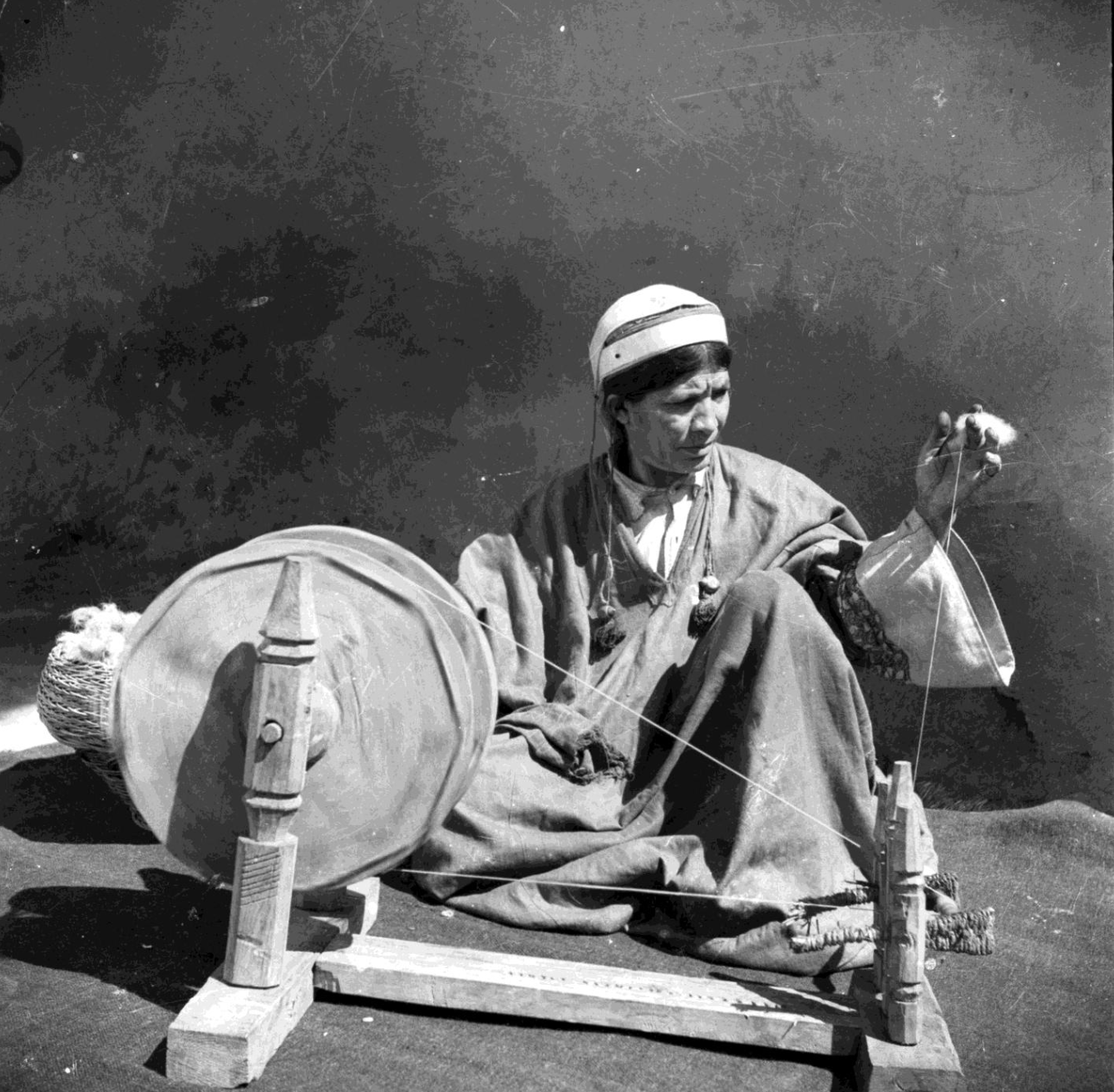
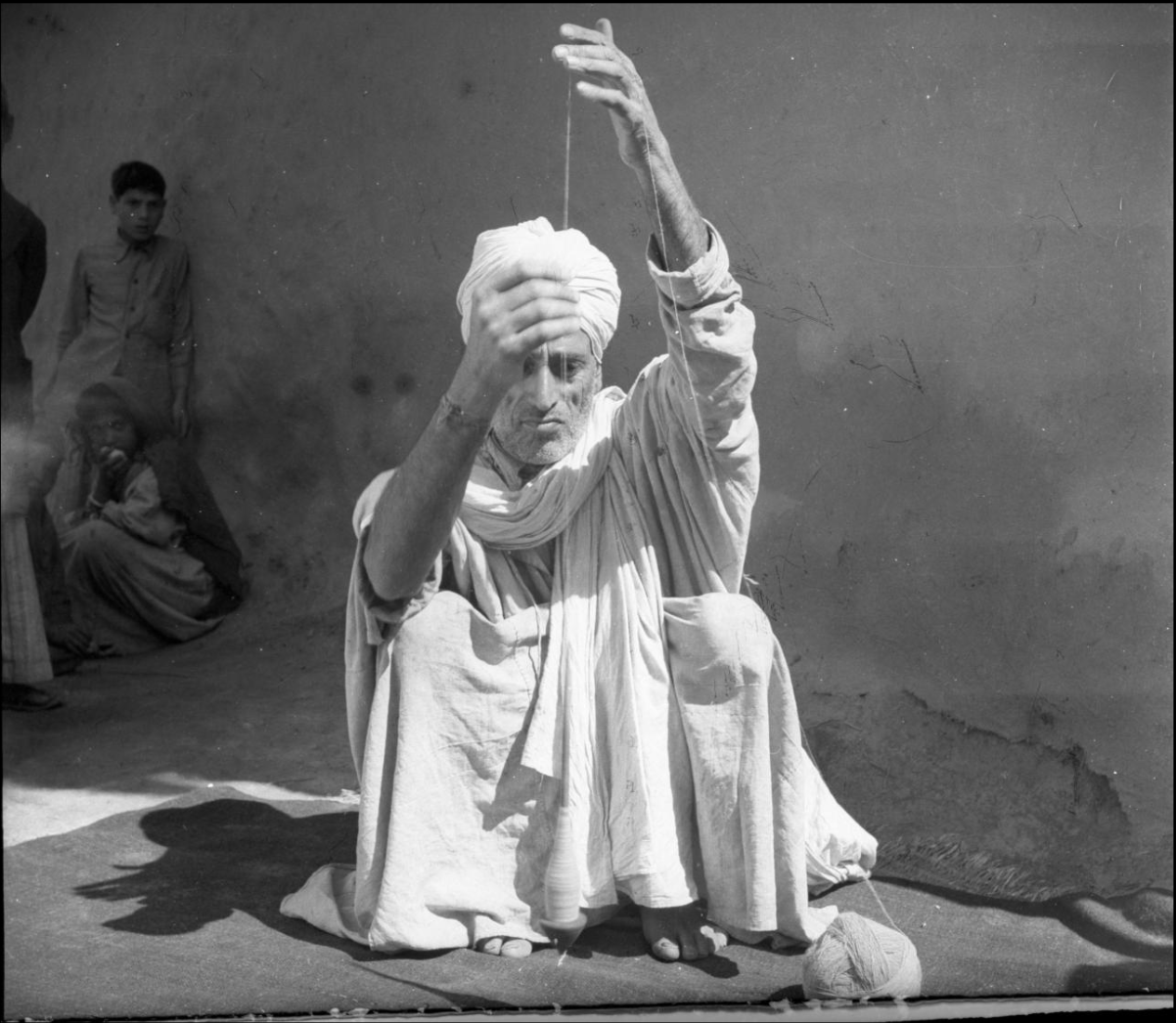
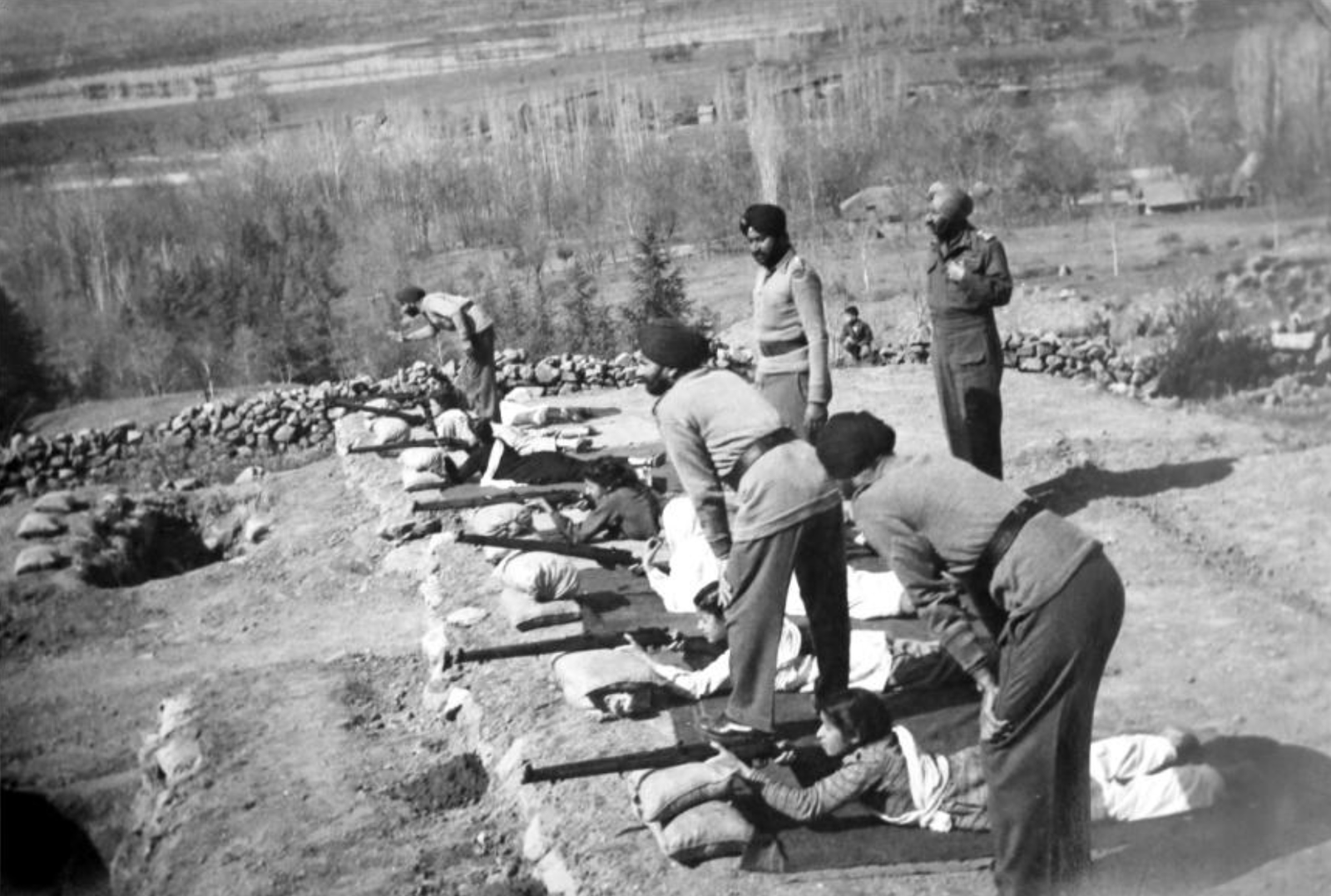
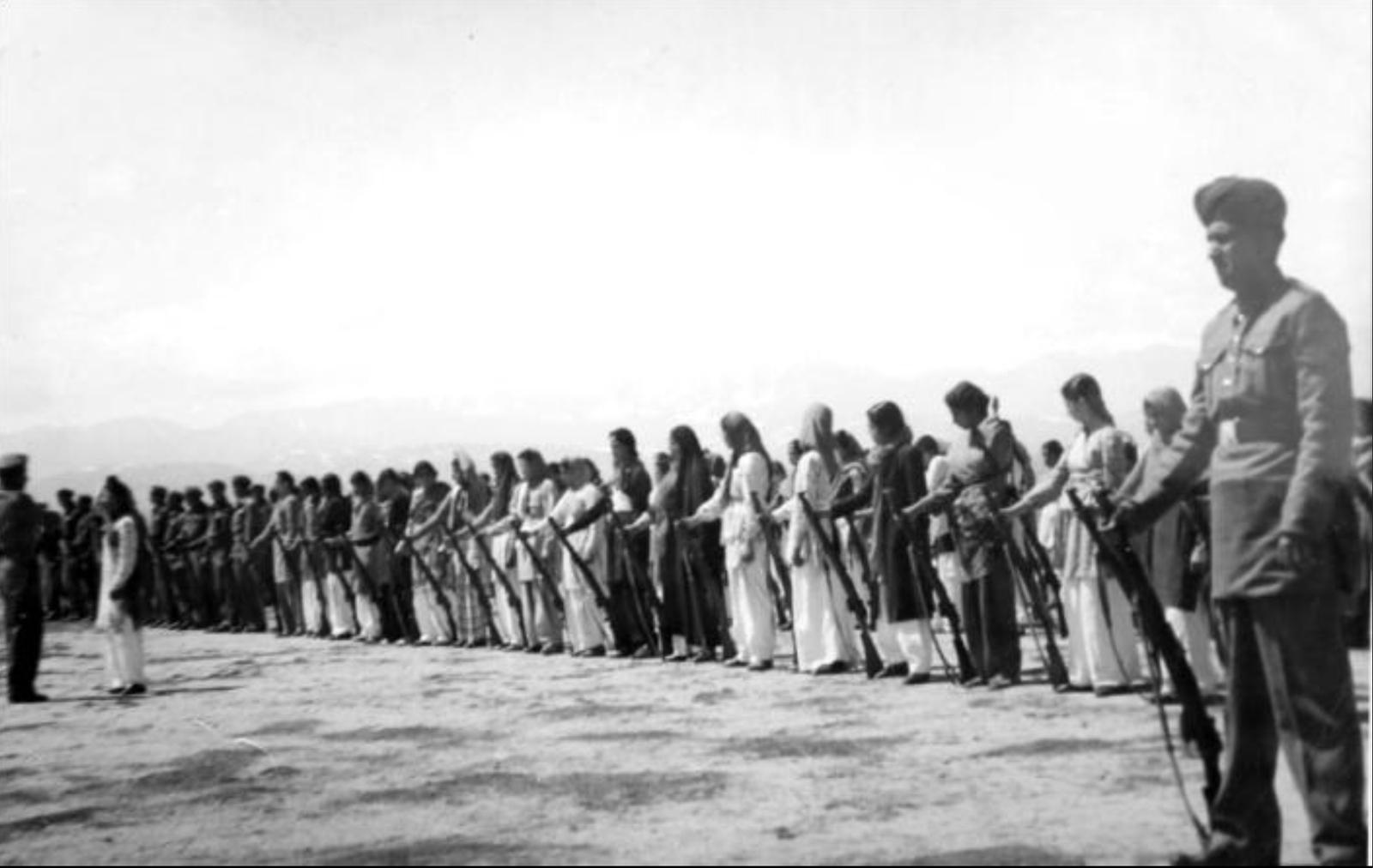
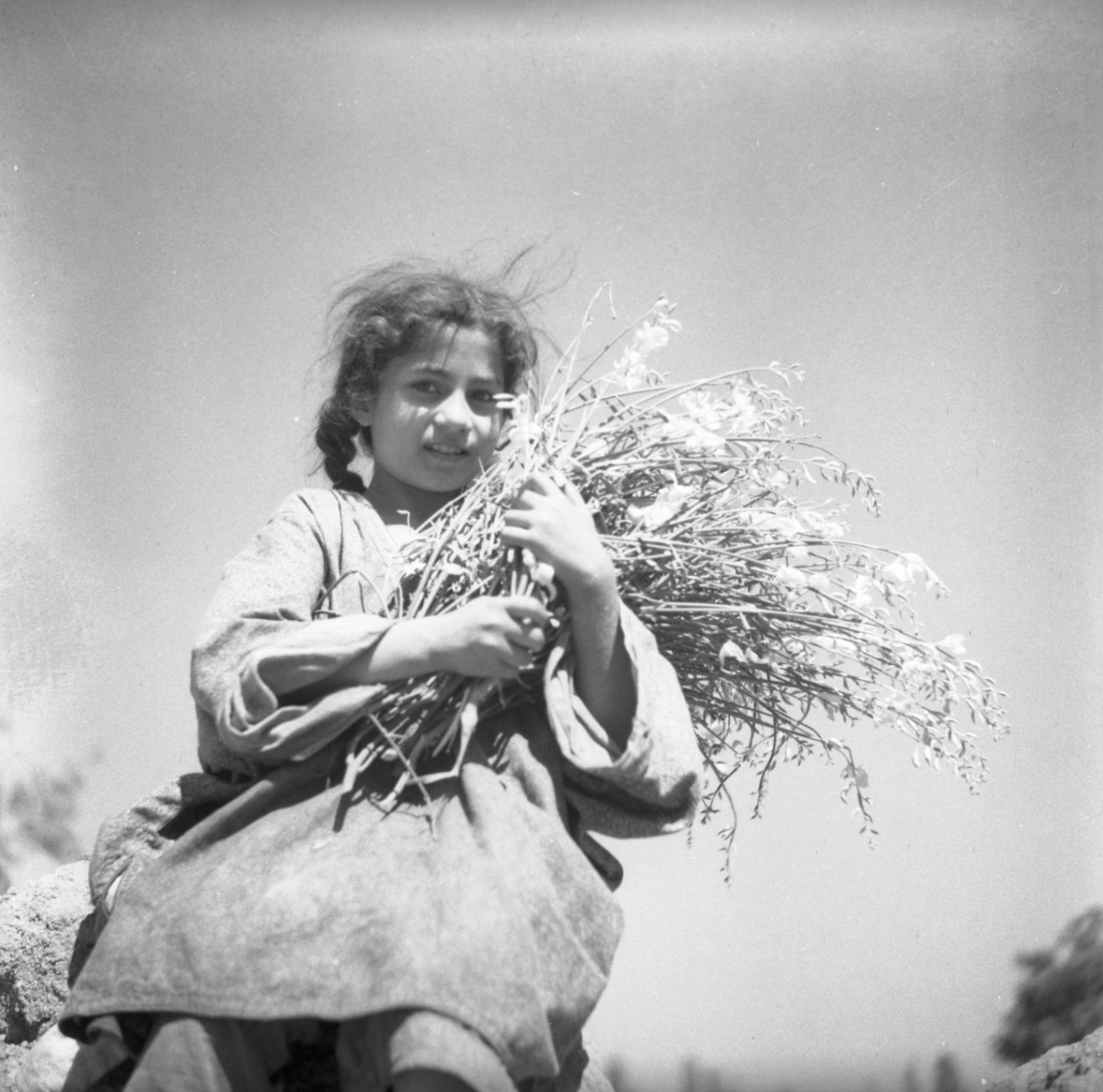
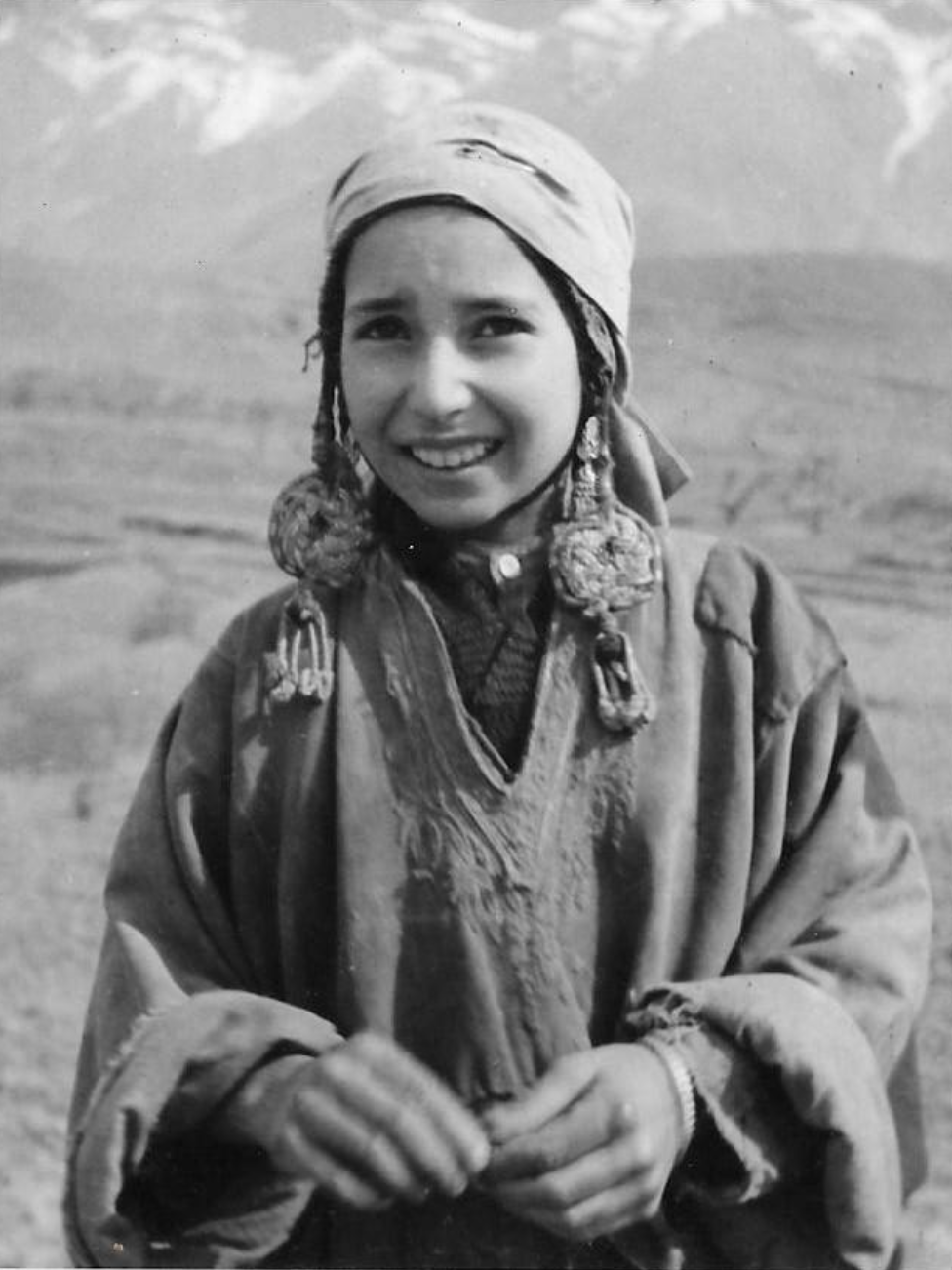
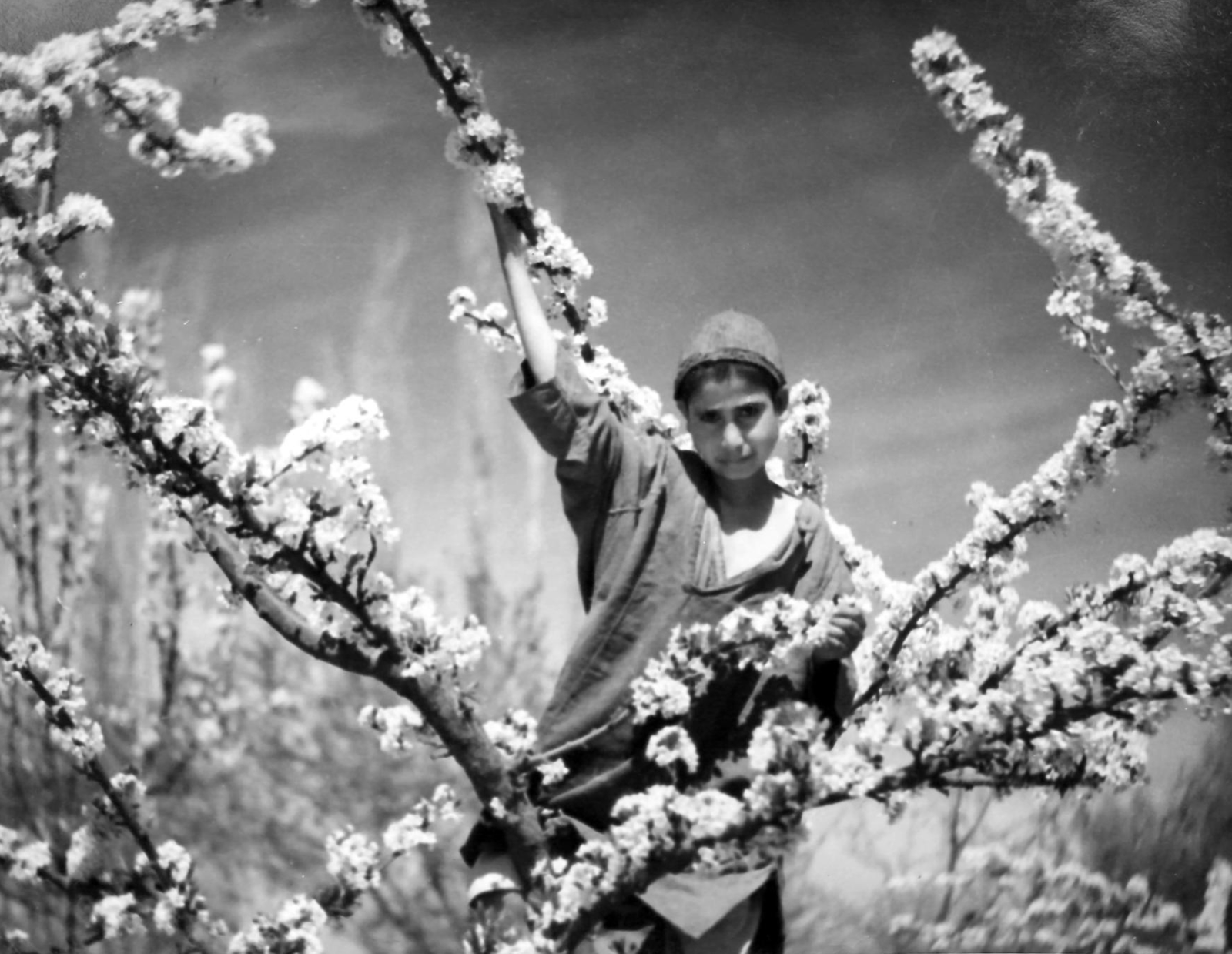
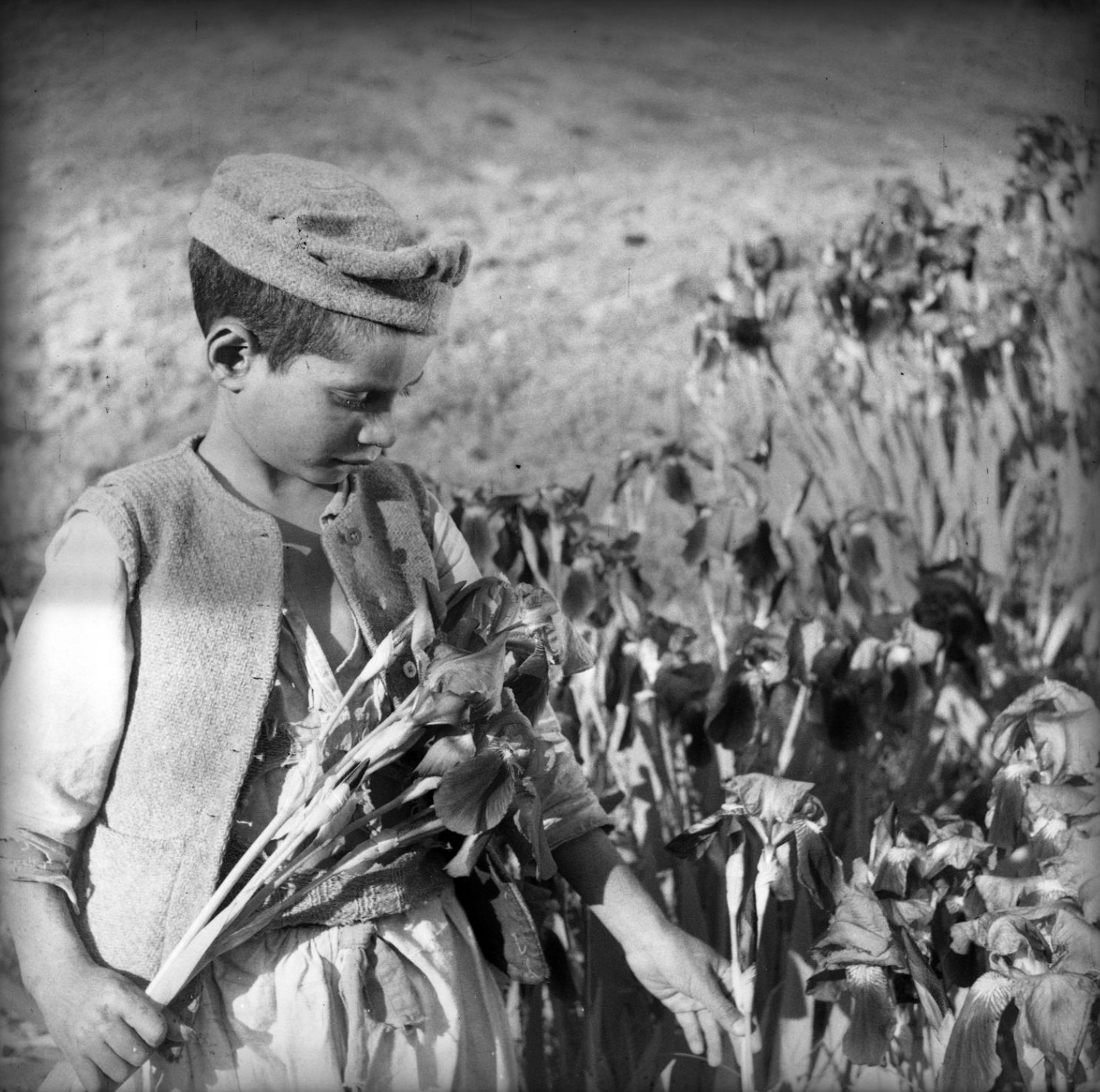
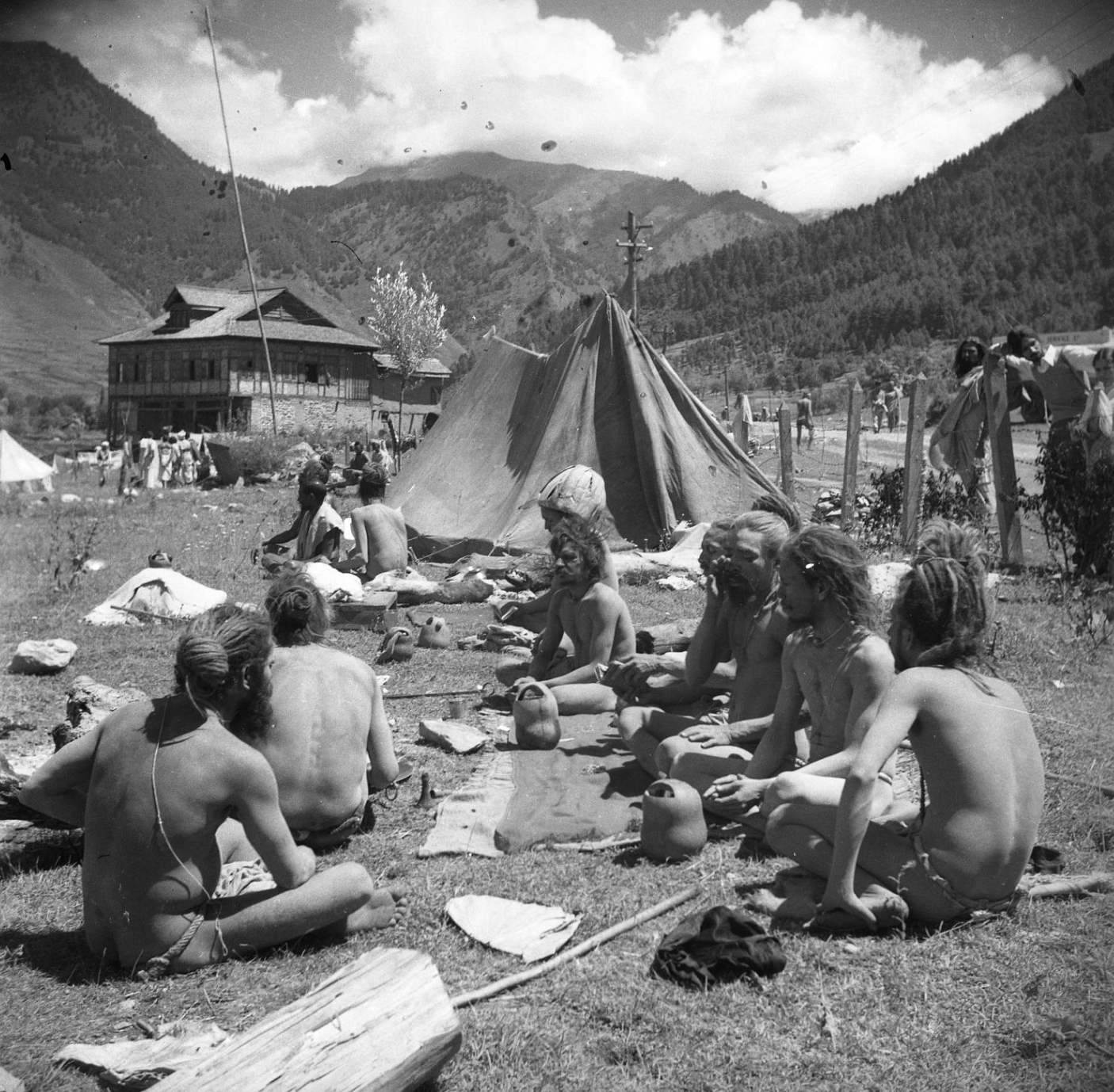
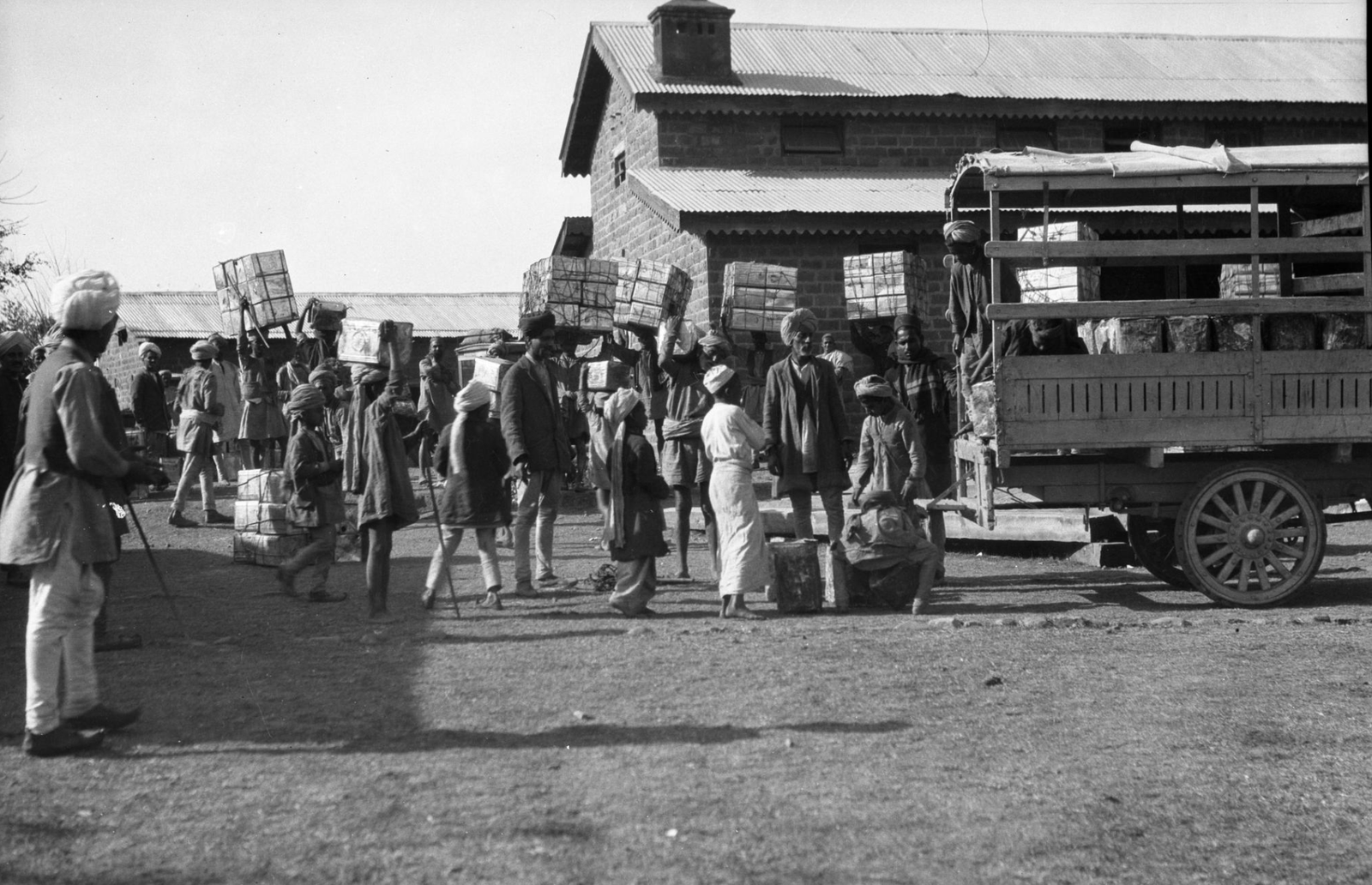
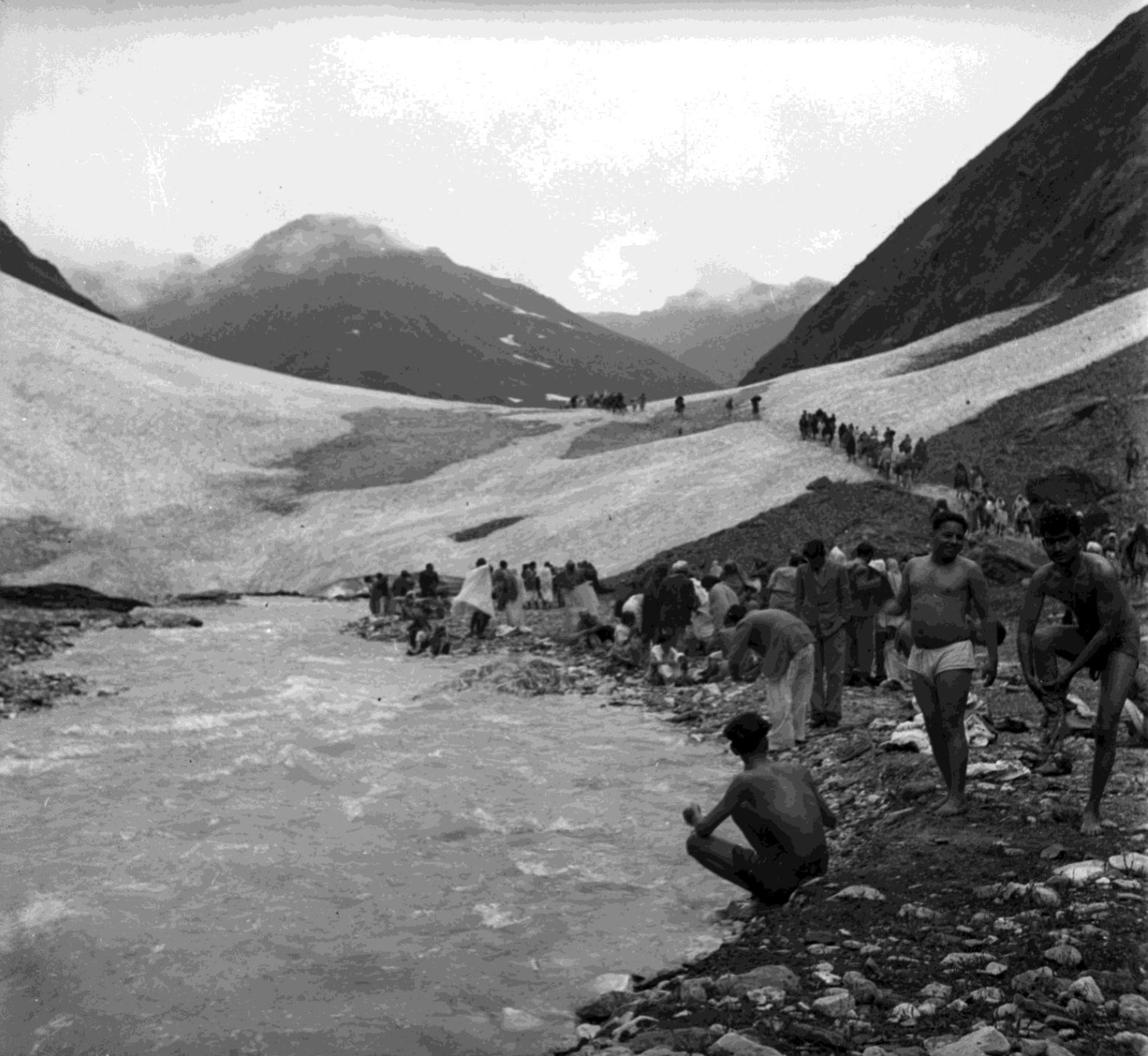
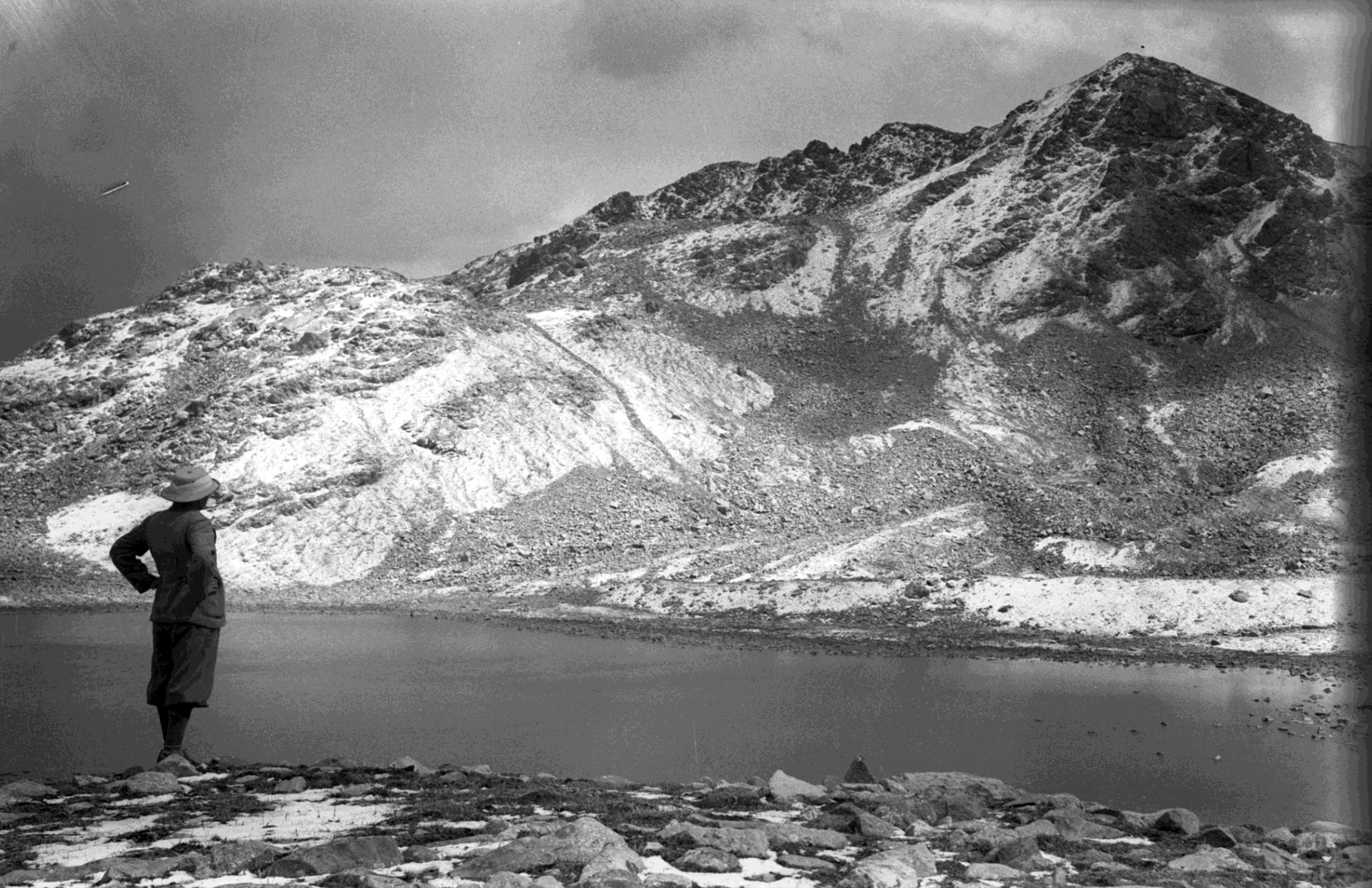
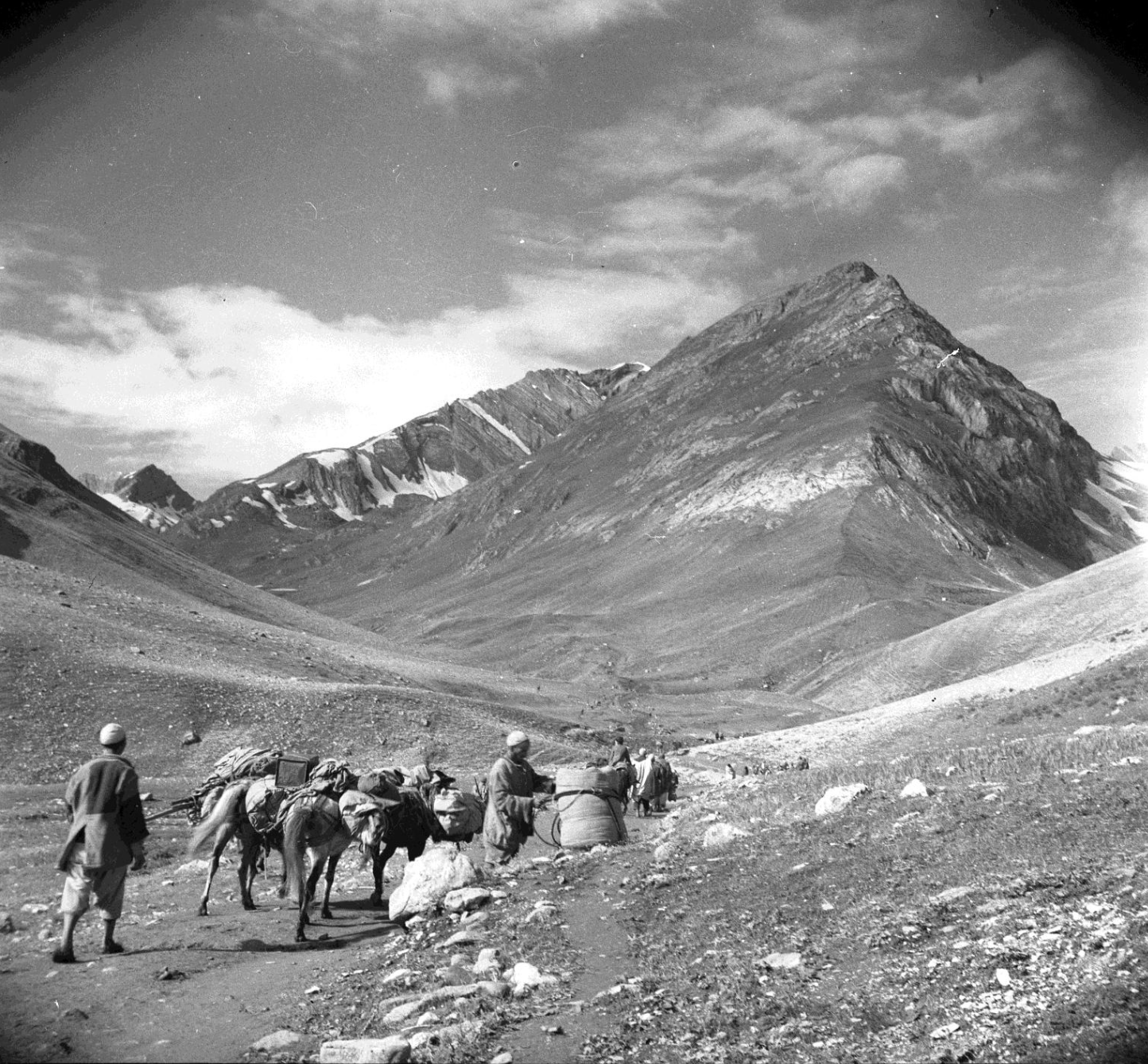
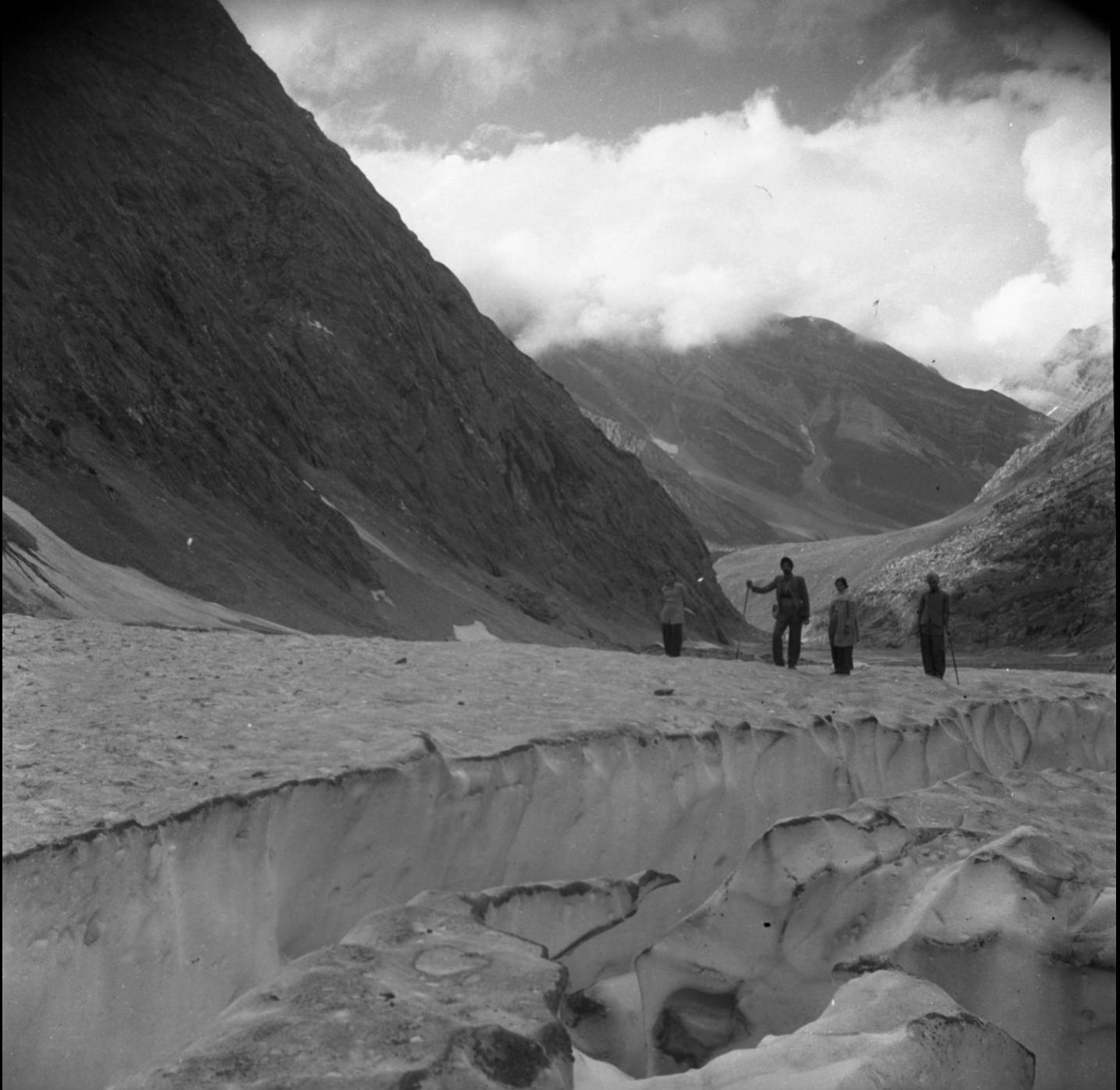
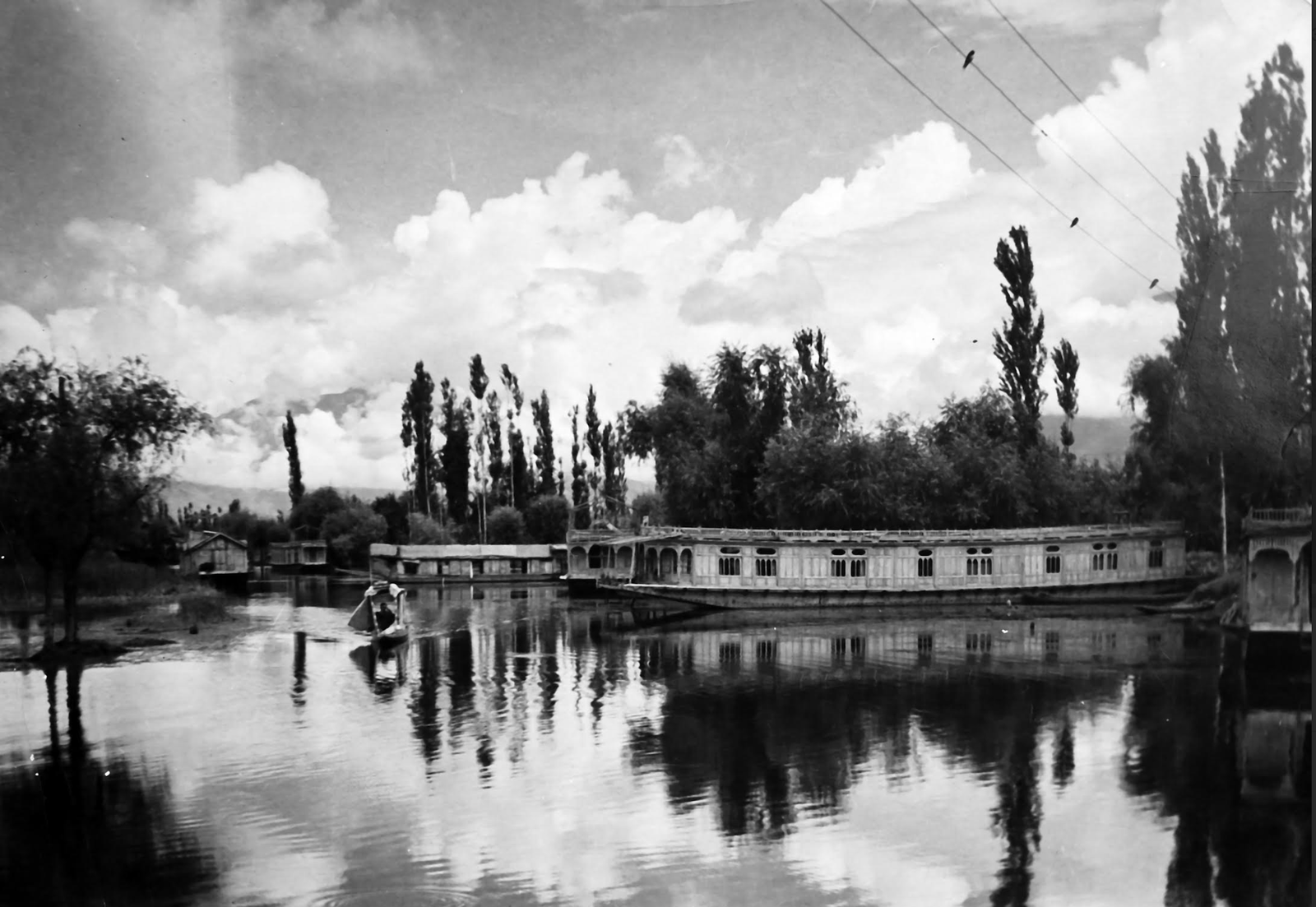
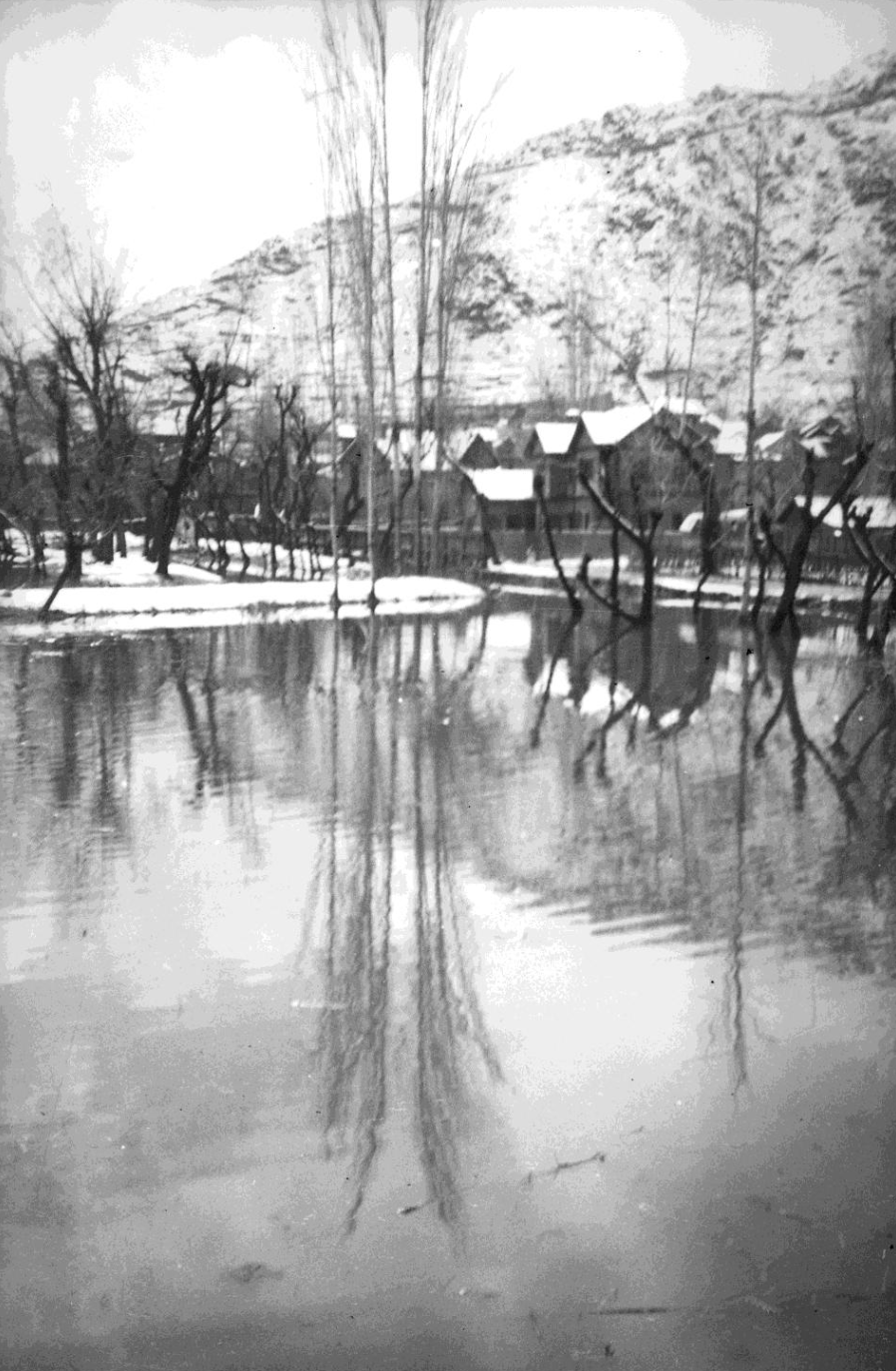
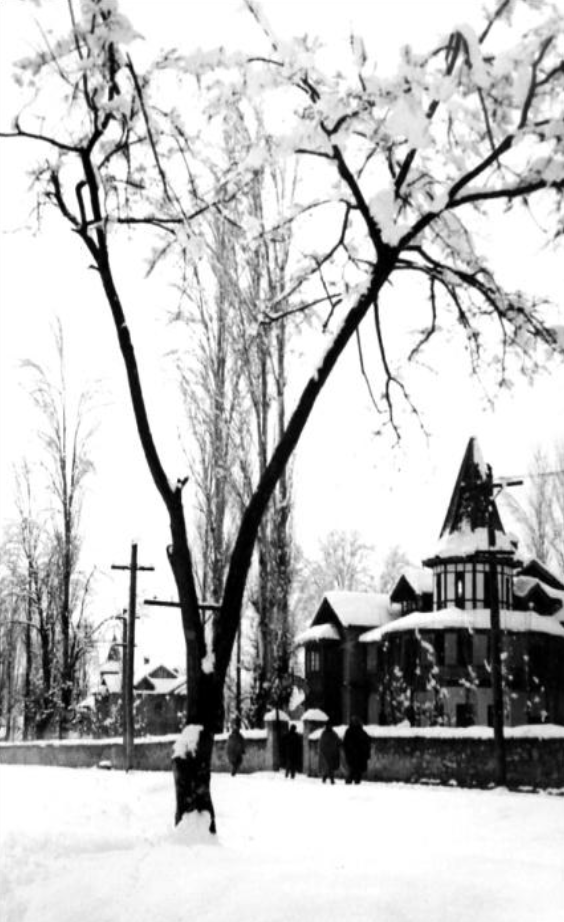
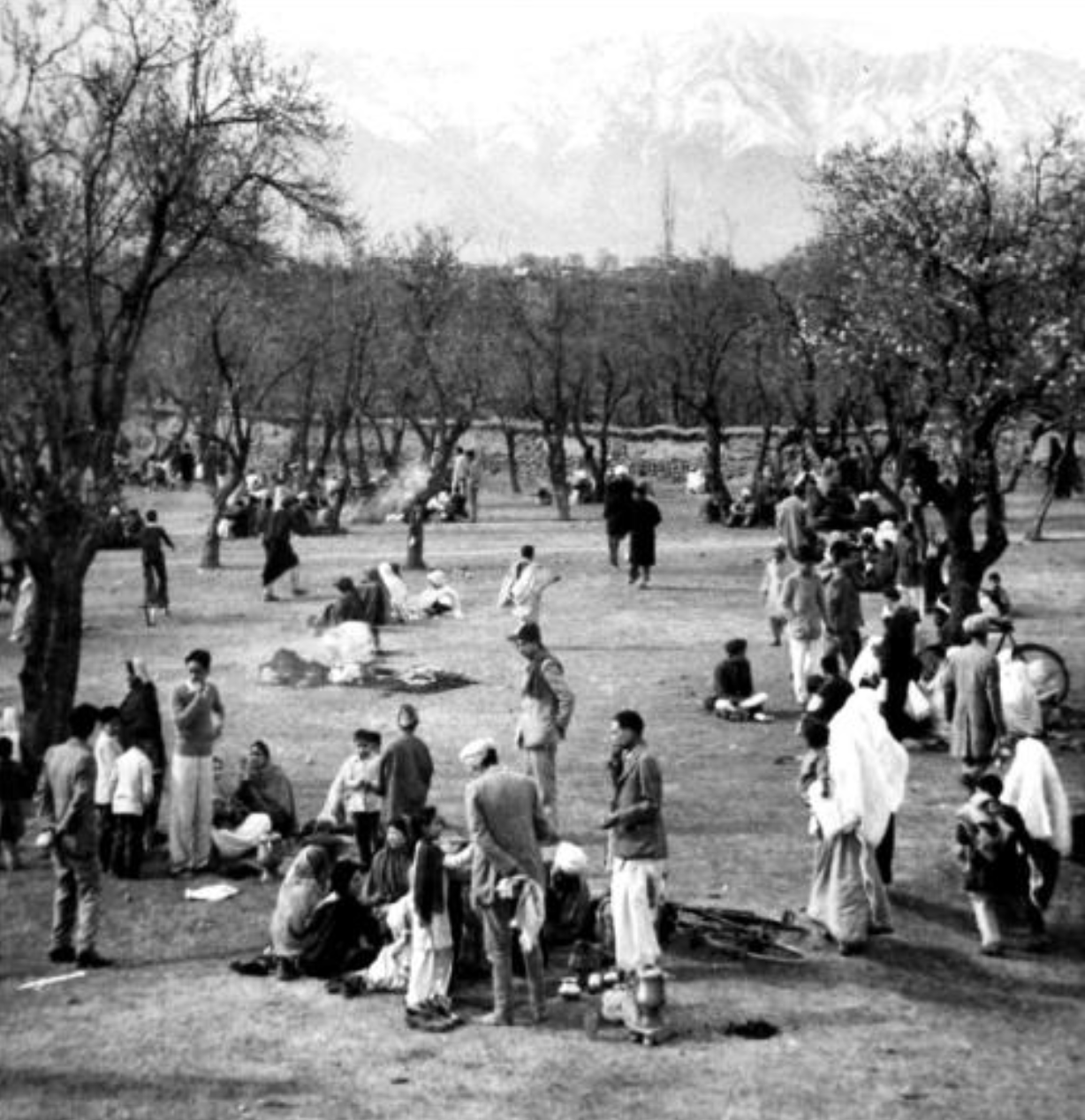
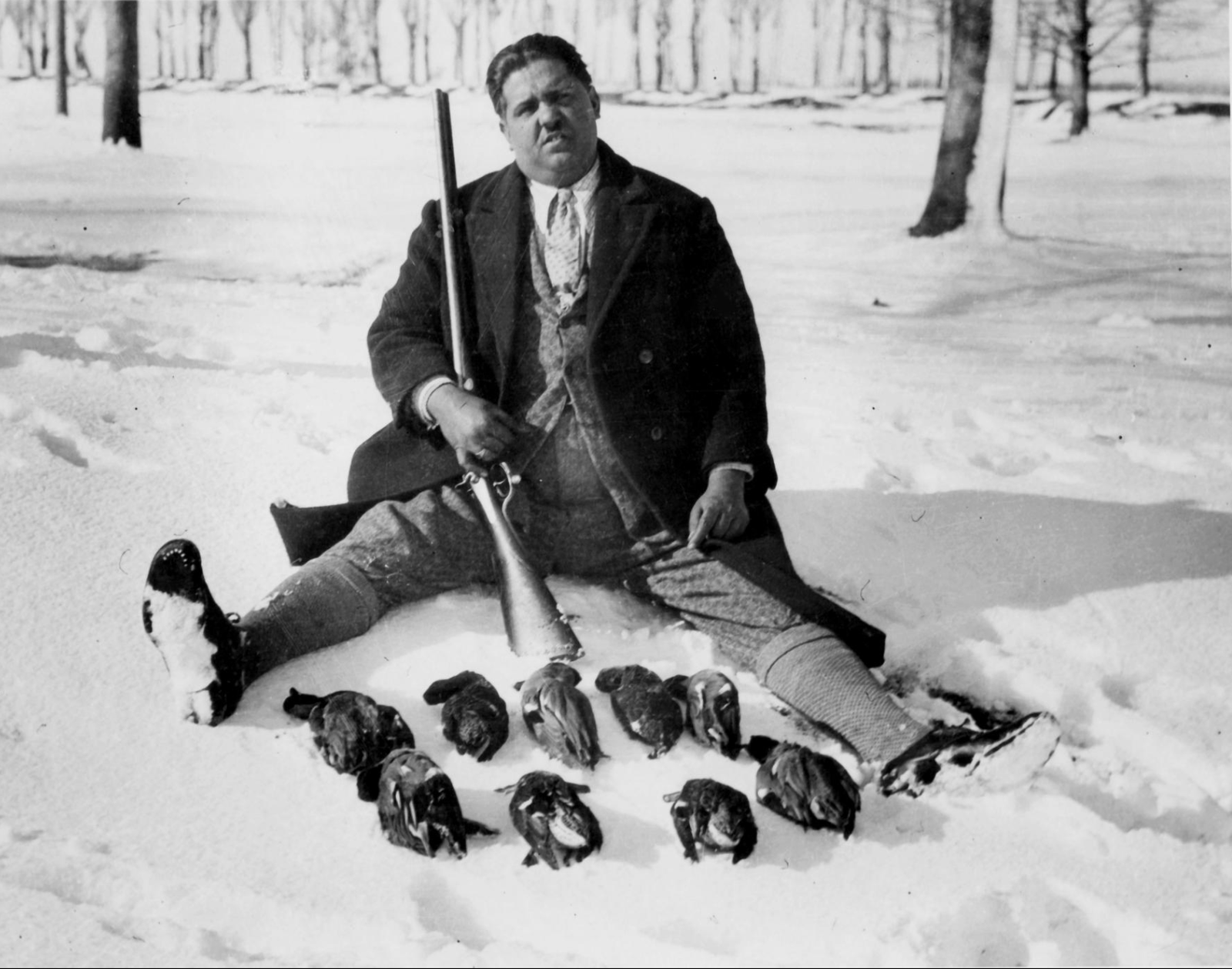
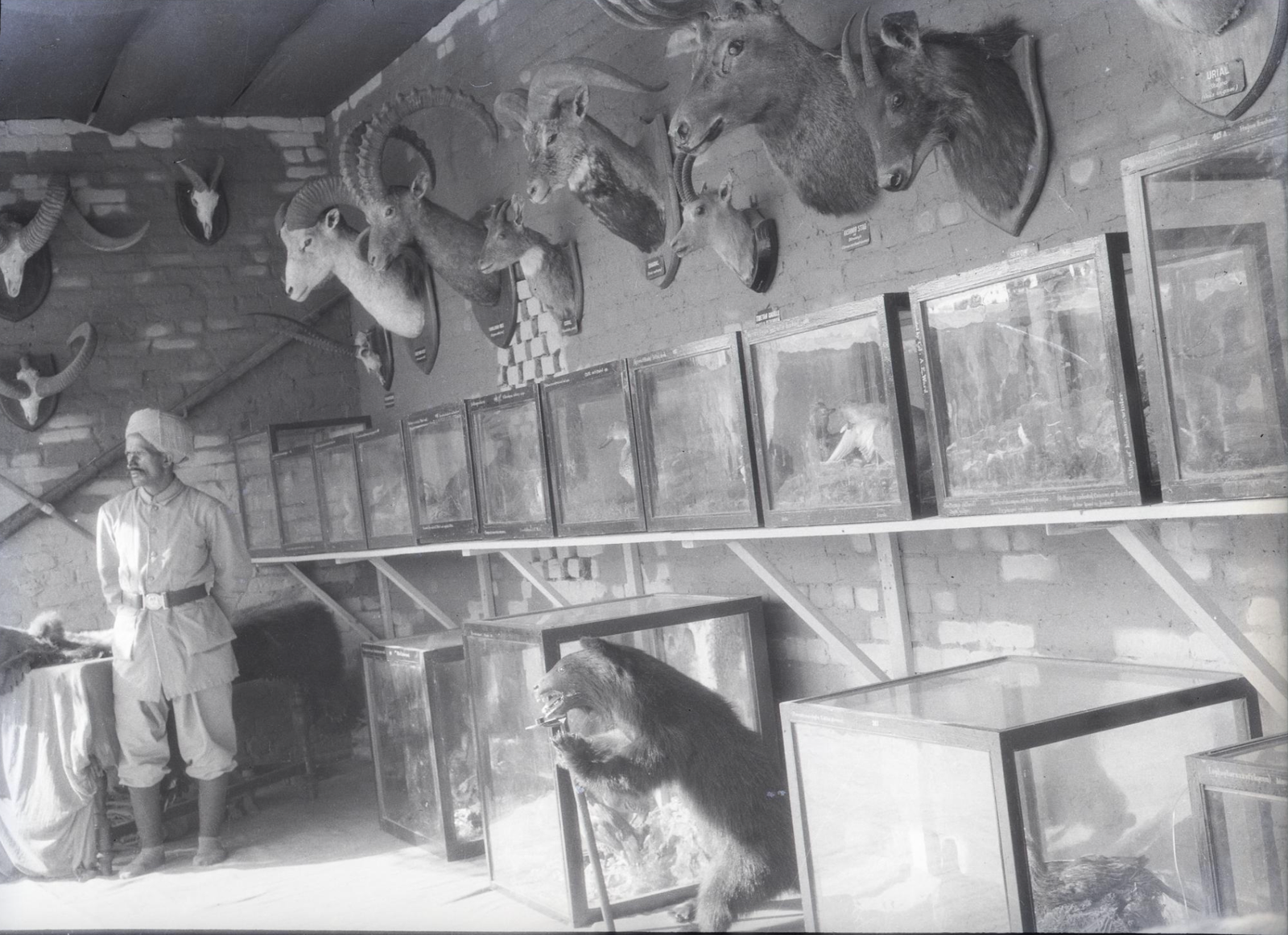
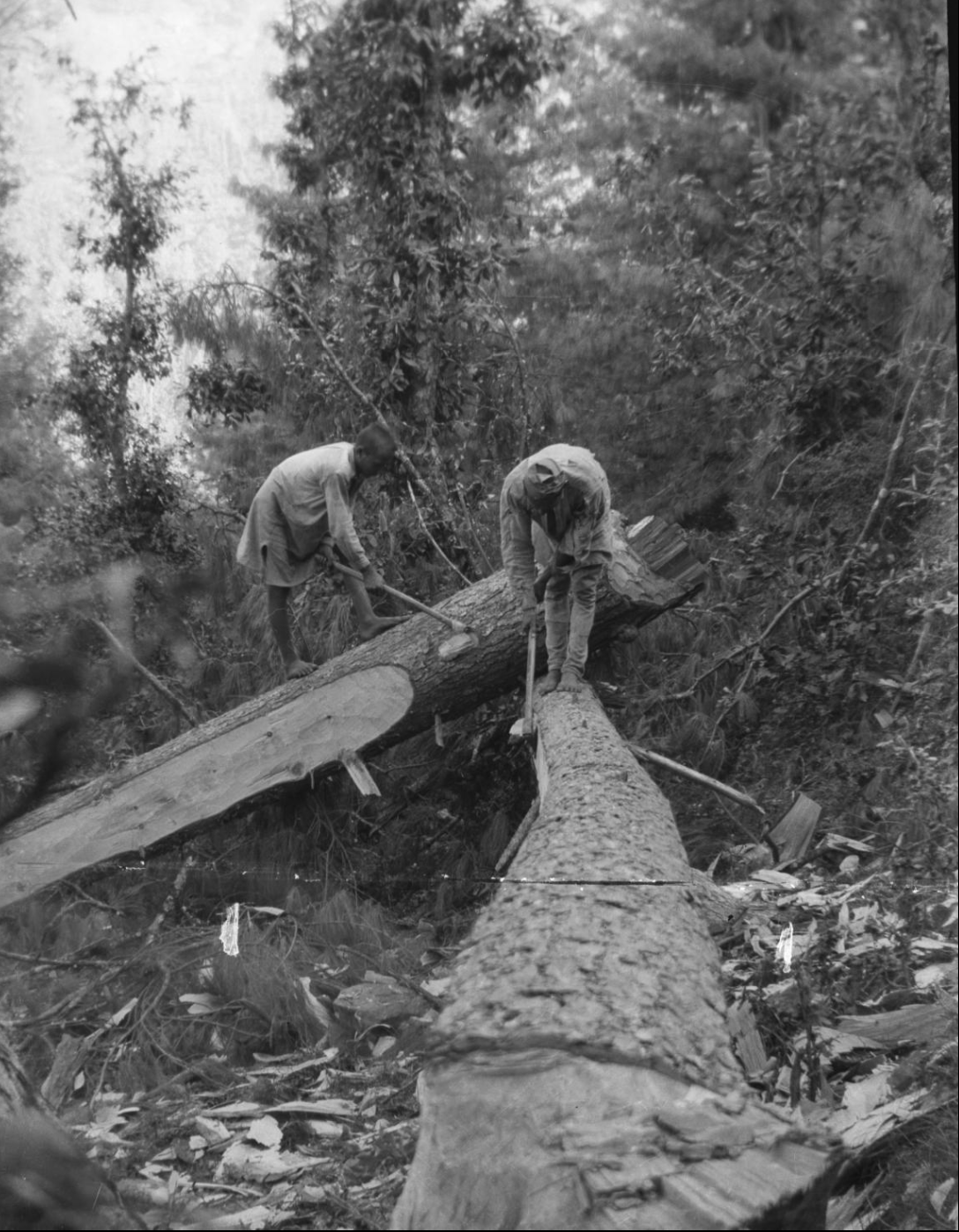
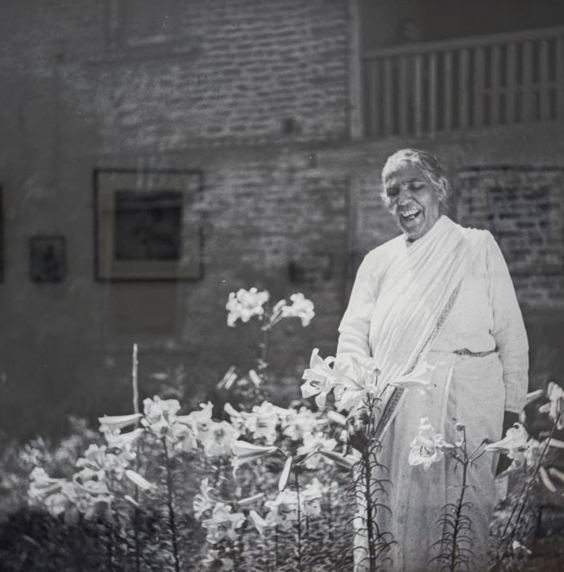
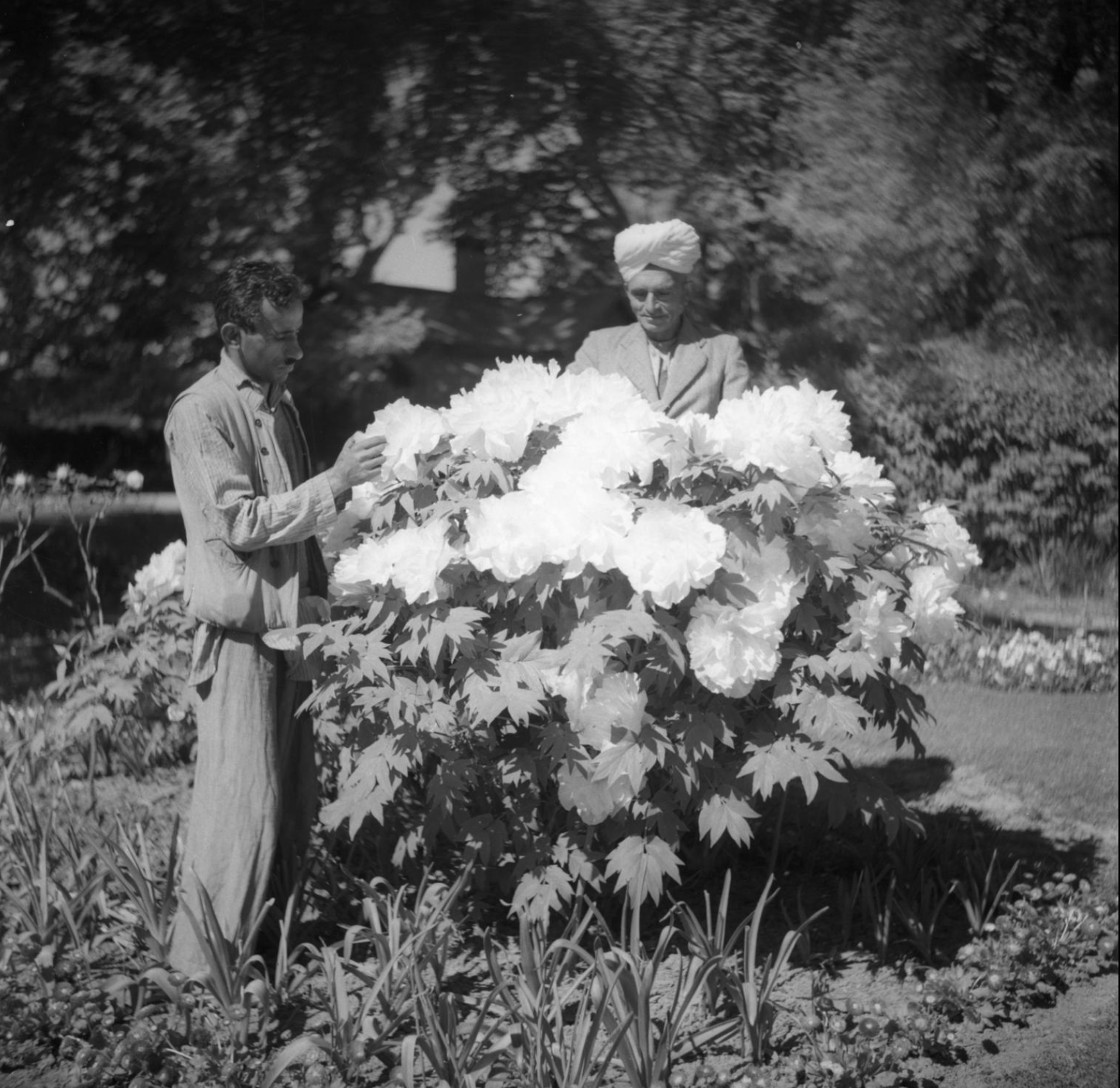
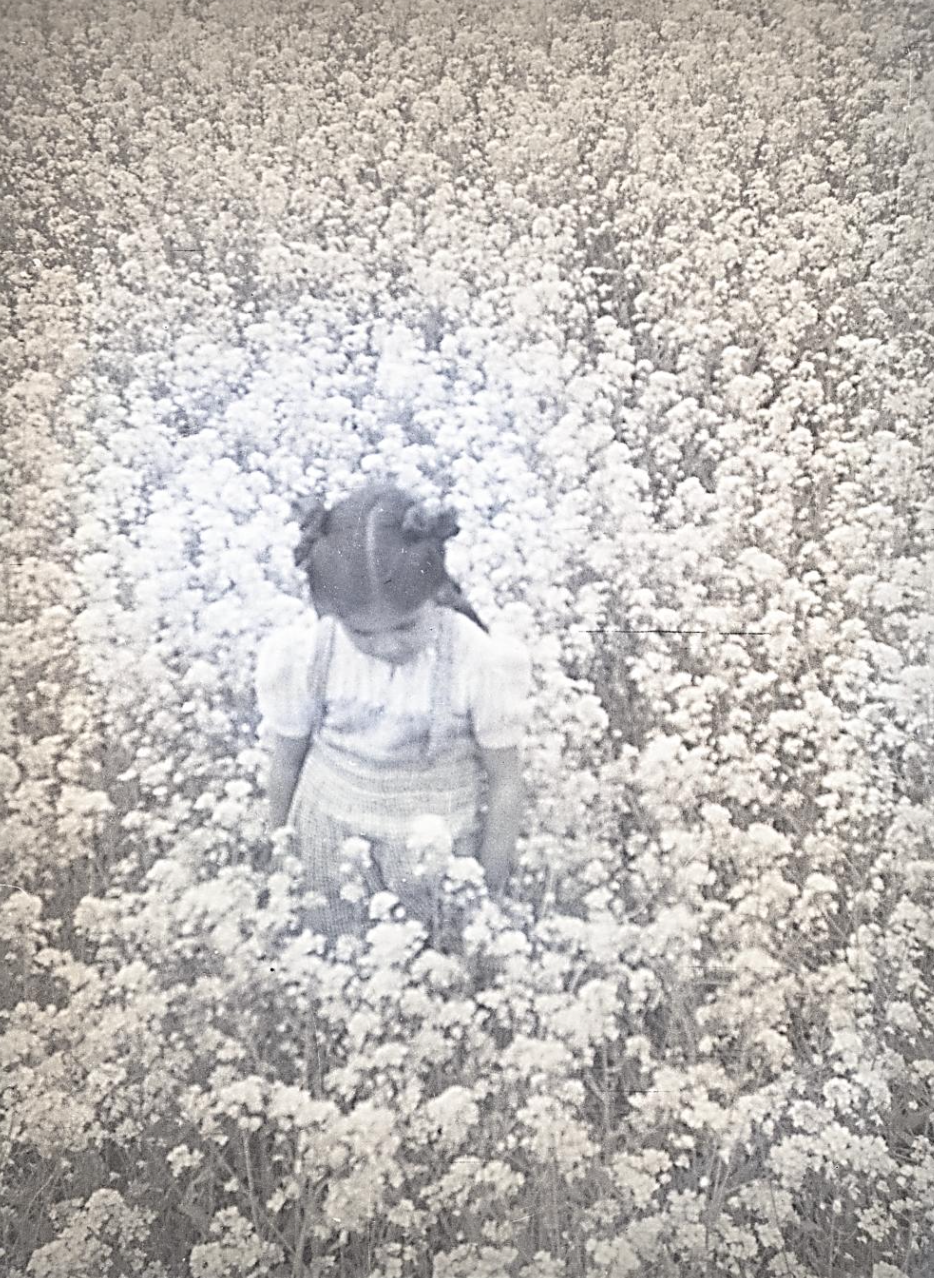
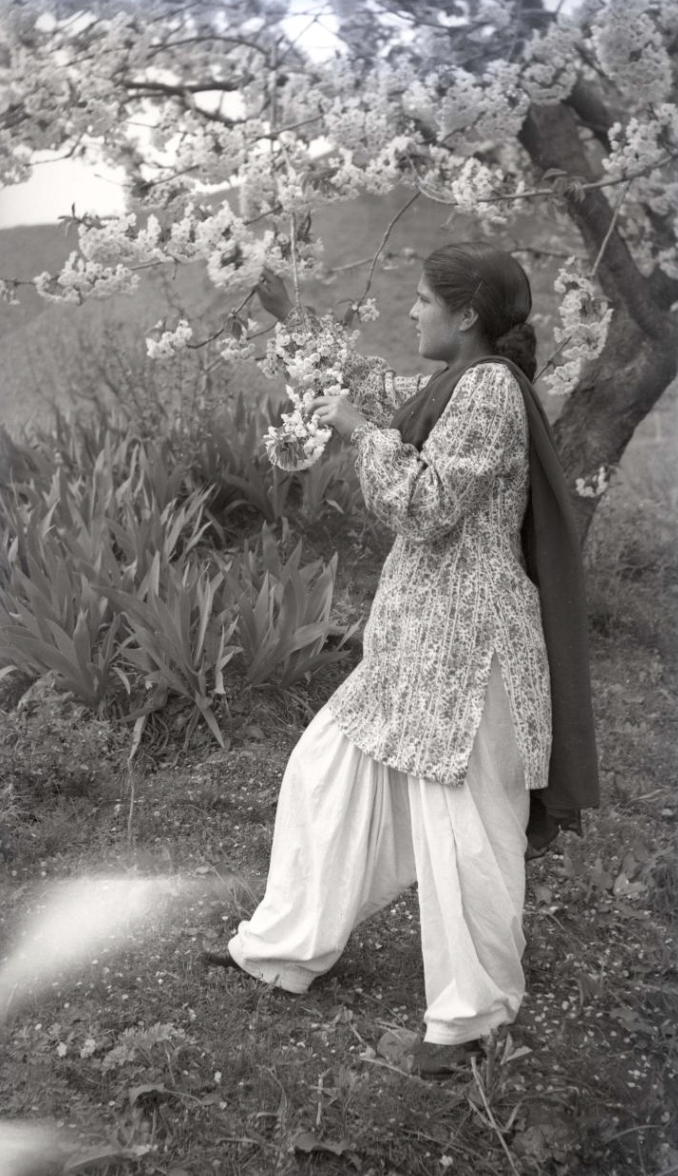
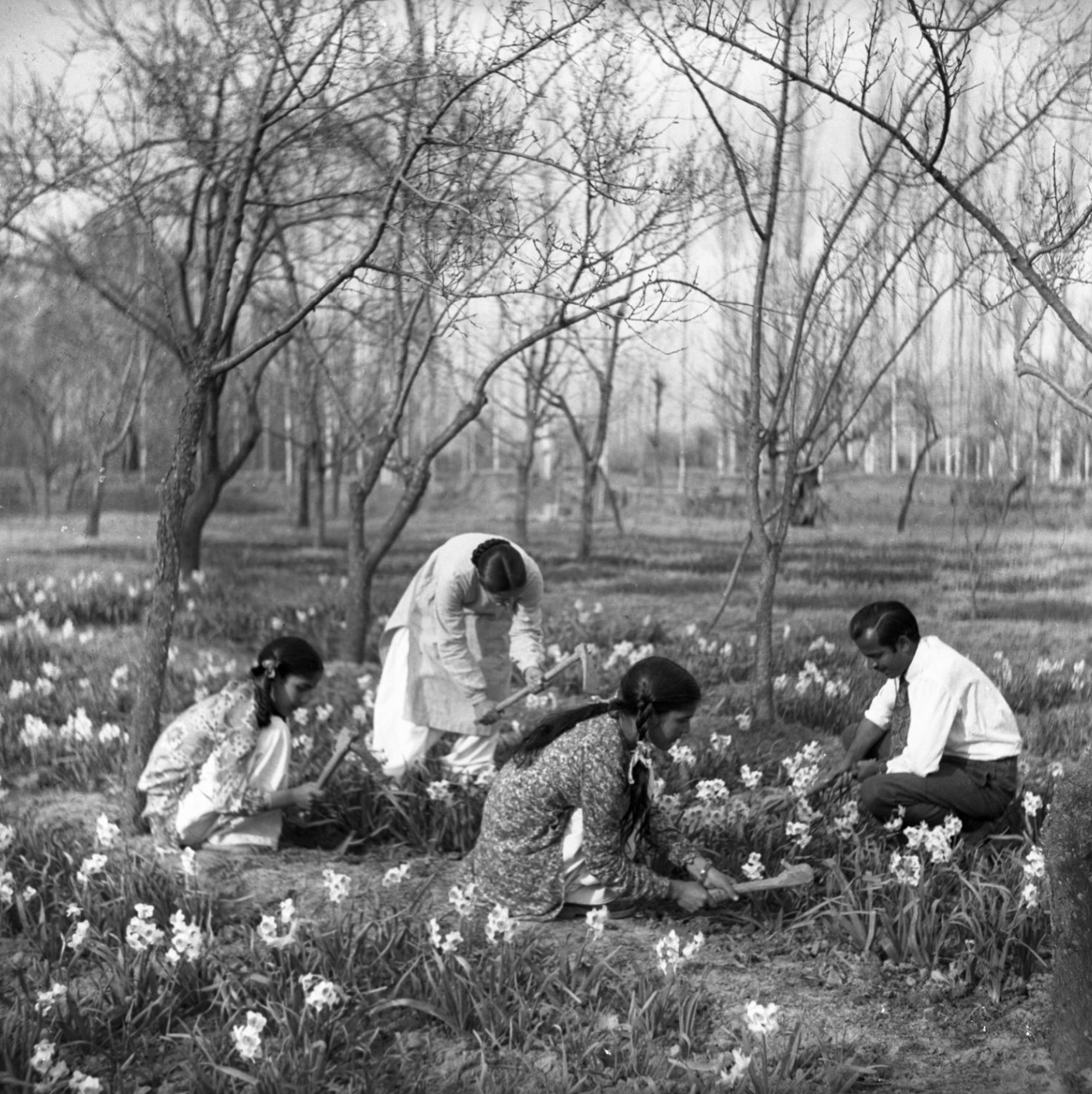
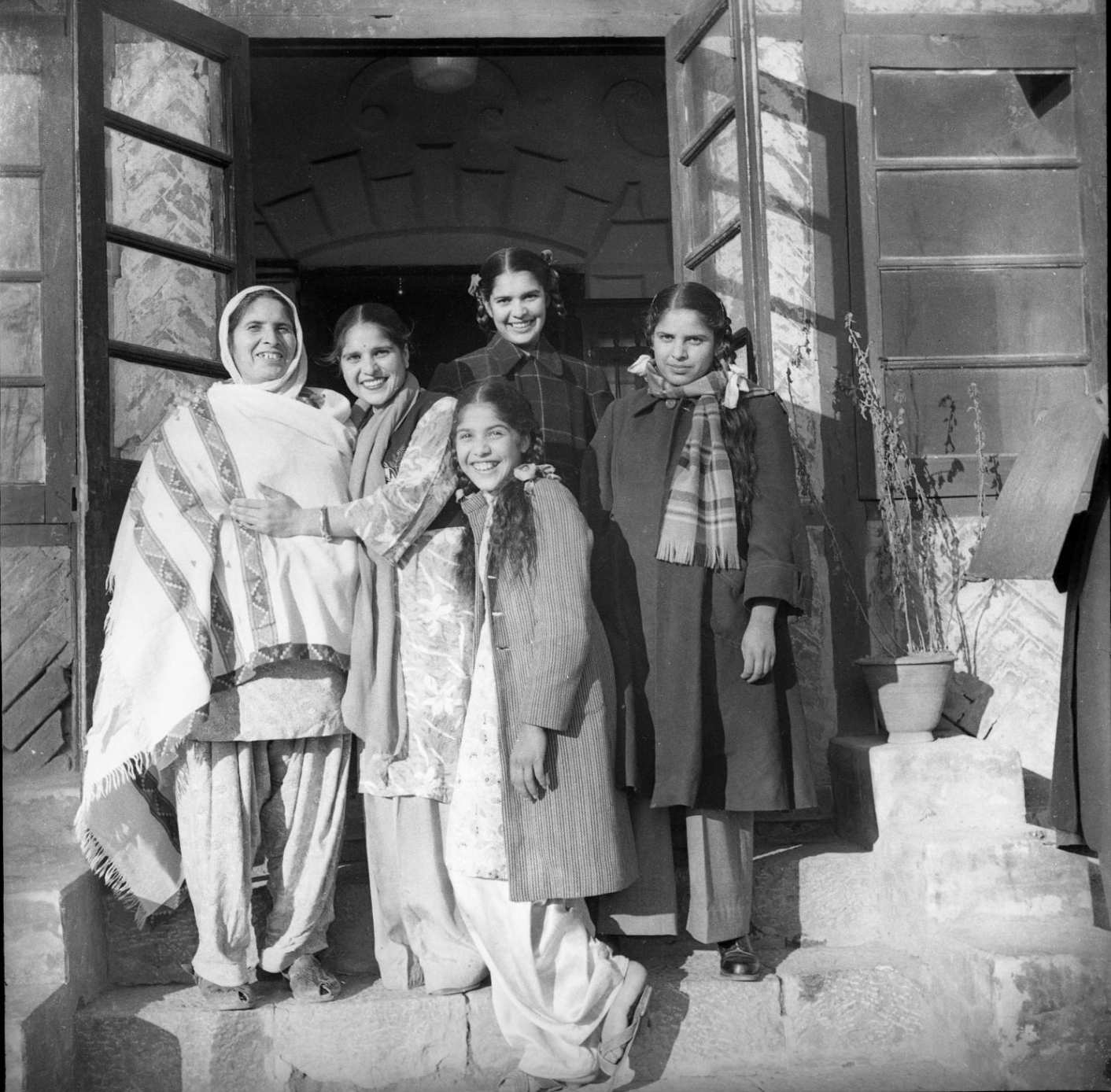
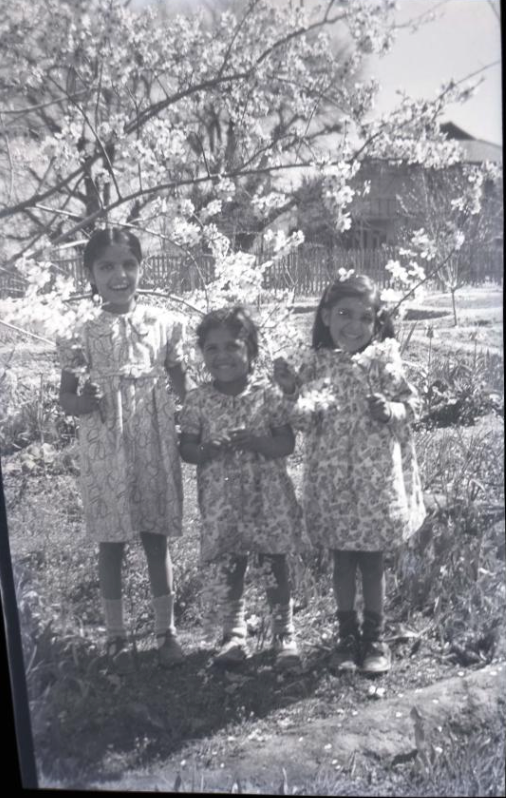
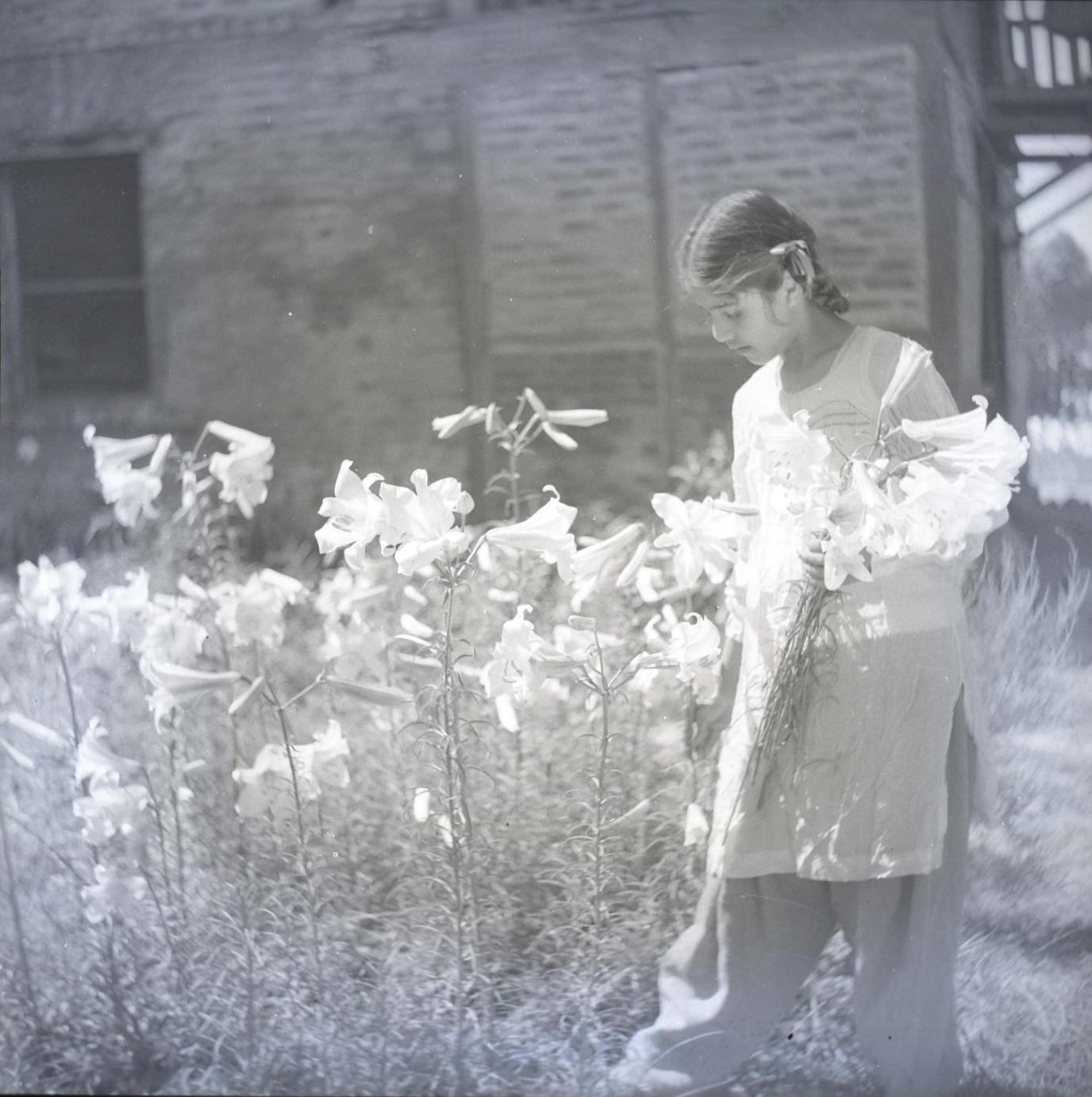
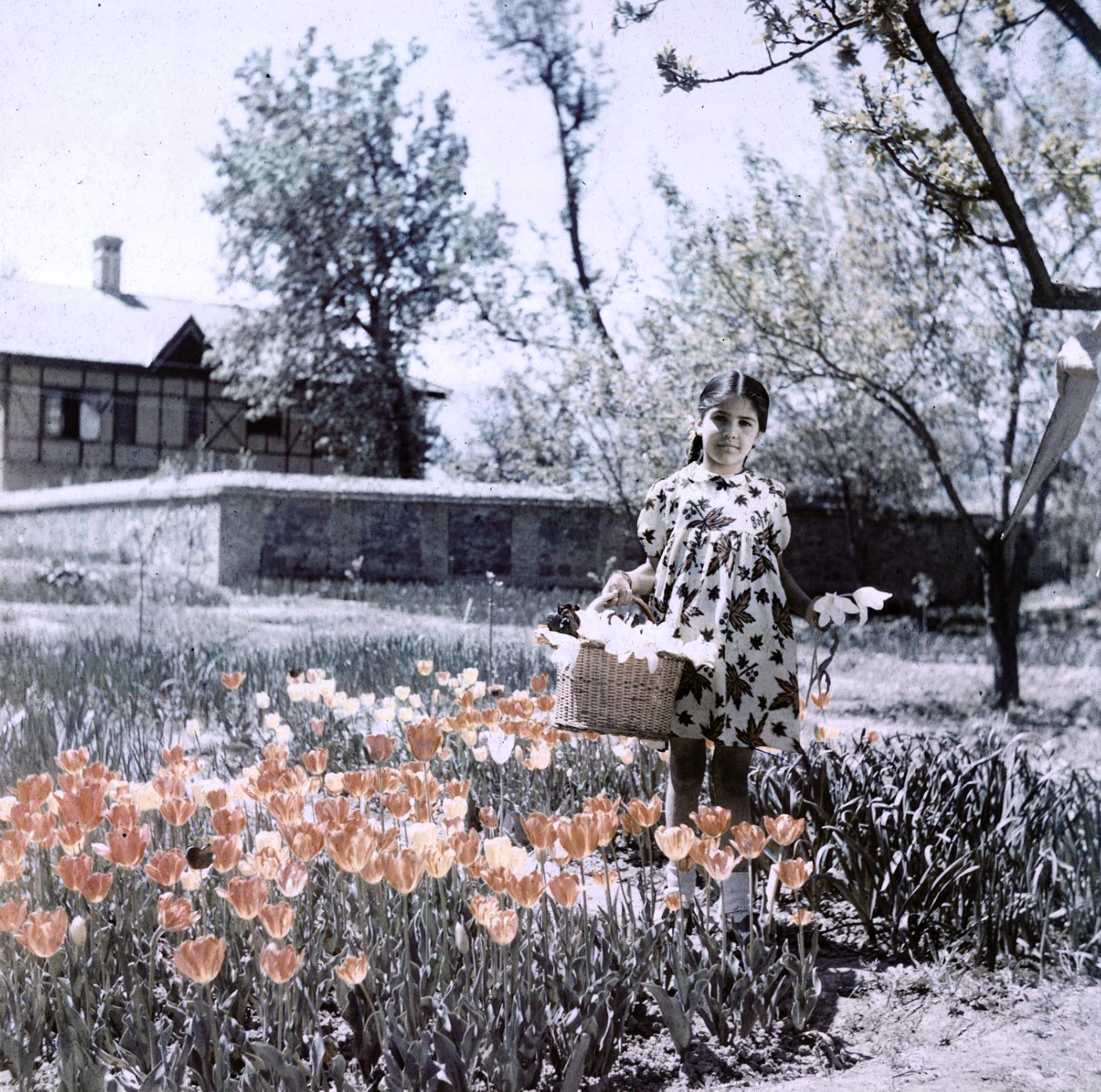
This exhibition brings to the public a rarely seen group of twentieth-century photographs by Prem Nath Kohli (1895–1986), an Indian photographer, botanist, and forester. At a time when Kashmir was rendered through an essentialised colonial lens concentrated on ideas about the picturesque, Kohli’s repertoire of views turned instead towards life as it was lived from within: self-portraits; people engaged in daily toil; seasonal rituals; forest ecologies; political ceremonies; and the quiet rhythms of private and common life, emphasising the presence of those who inhabited the land.
Born into a progressive family in Sialkot (undivided India), Kohli’s career was shaped by his education at Imperial Forest College in Dehradun (1919–1921), where he was nominated by the ruling Dogra family of Jammu and Kashmir. He later worked in the Forest Department of the princely state. Loyal to Maharaja Hari Singh, who selected him as manager of his private estates, Kohli moved within the royal household and its circles of visitors. The Maharaja’s trust in him was so secure that he was asked to give a guided tour of Gulmarg to the then Viceroy of India (1943–1947), Sir Archibald Wavell, and his wife, Lady Wavell. This close relationship with the Maharaja also provided Kohli with special access to conduct field surveys.
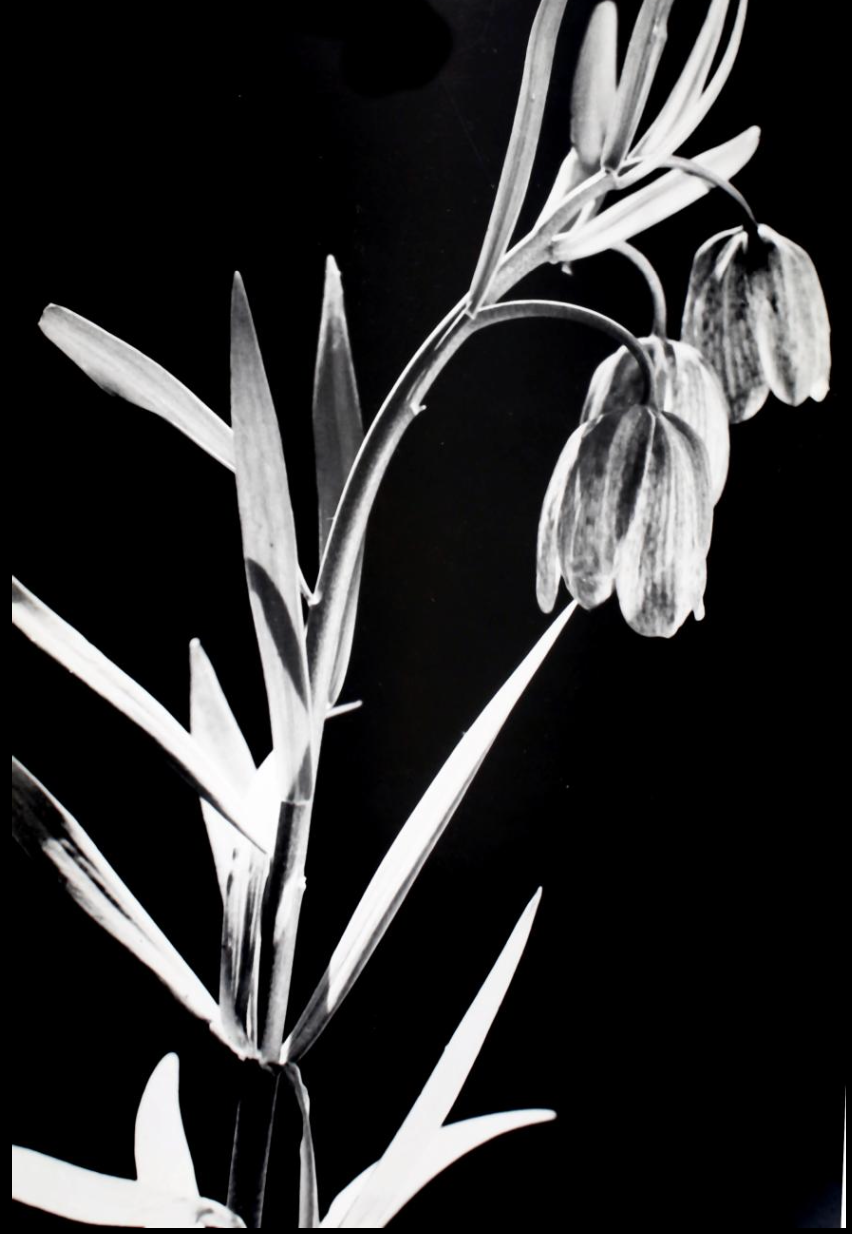
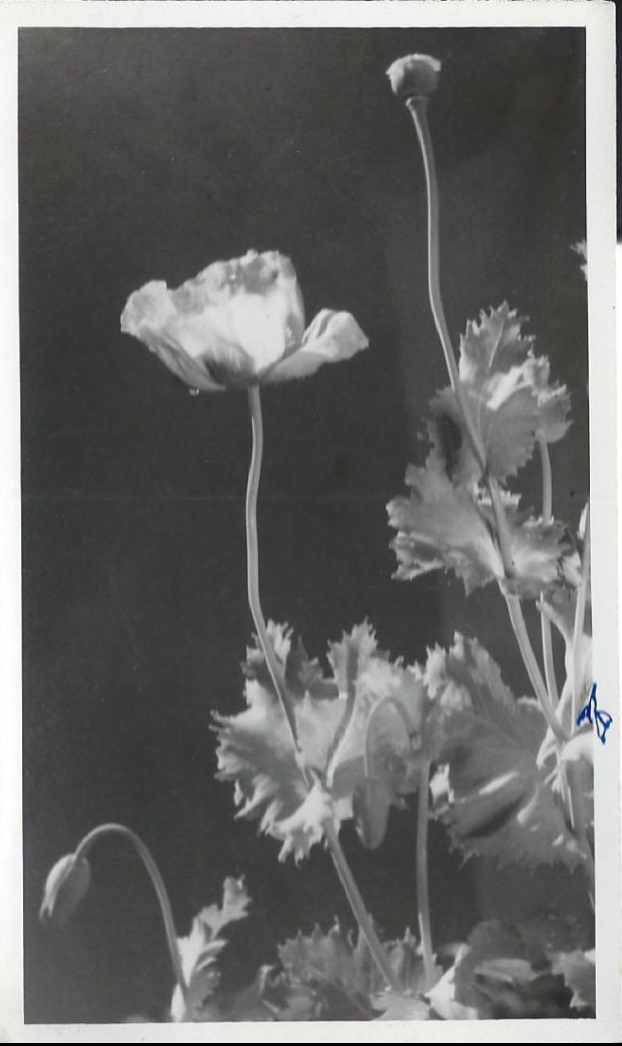
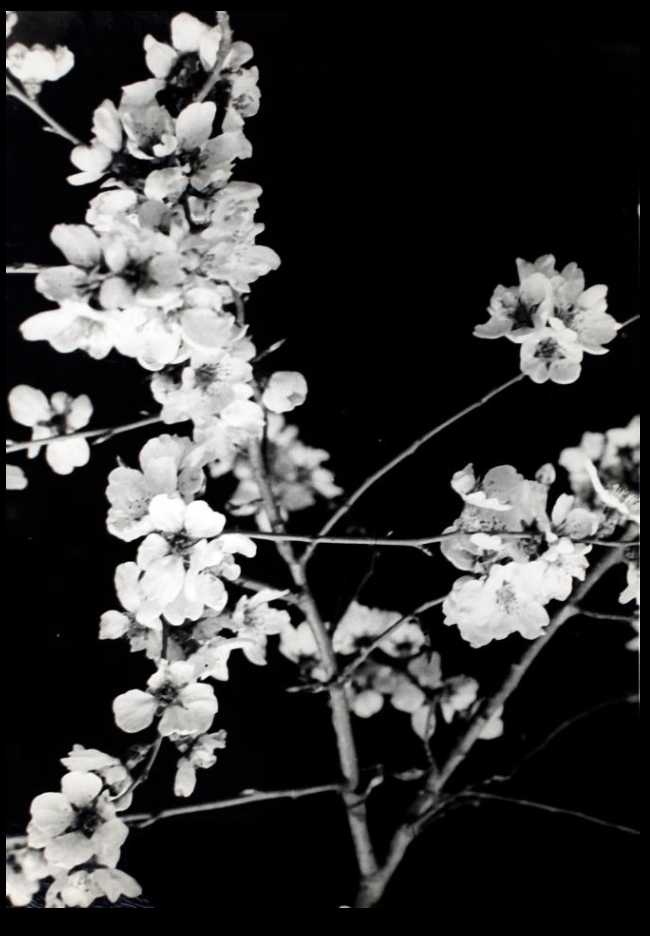
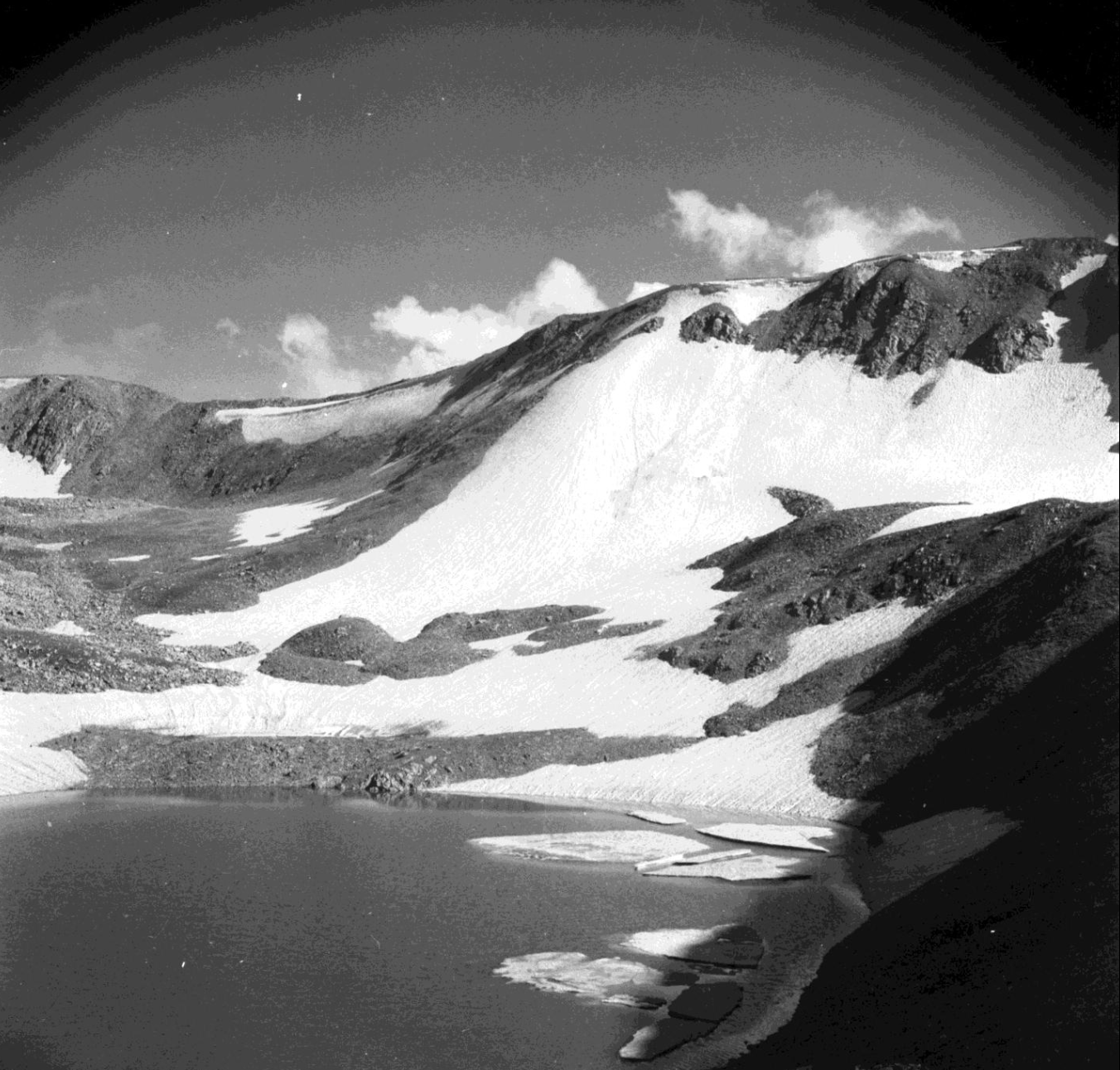
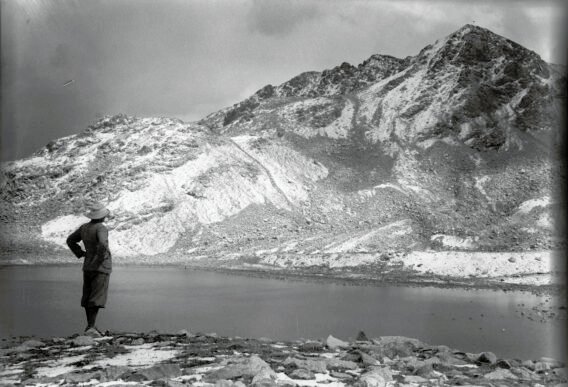
Carrying a Rolleiflex camera, tripod, and other photographic equipment, Kohli crossed dense old-growth forests, highland lakes and precarious mountain passes, often with a travelling companion. He produced high-contrast, black and white pictures that reveal his artistic skill and reverence for the environment. His scientific knowledge enabled him to connect acutely with the Himalayan ecosystem. Kohli photographed and authored articles on plant life and wilderness systems for Indian and British publications, such as The Illustrated Weekly of India and The Field, and his expertise impressed figures within the colonial British administration, including Lord Mountbatten. He also collected floral specimens for the Royal Botanic Gardens, Kew, on the advice of King George V’s office.
Kohli dedicated much of his time to solitary exploration, studying plants and walking through nature, refracting Kashmir’s landscapes on film. The violence of Partition in 1947 marked a devastating turn in his life. During the Kabali (Tribal) raid on the valley supported by Pakistan, Kohli was forced to flee his home with his family, and some thousands of photographic negatives stored there were destroyed. What survives among the examples shown here is therefore profoundly significant.
Situated between documentary and fine art, these photographs can be articulated as acts of care. They highlight the fragility of time — moments and eras that are either passing or already lost — prompting viewers to consider whether a part of Kashmir should be, and might yet be, saved. They also record the region before political strife, rebellion and the establishment of hardened borders and ecological pressures intensified. Rather than exemplifying an idyllic panorama for outsiders, the images speak to a polymorphous landscape observed with curiosity, dedication, and the perspective of a lifelong resident.
~ Qamoos Bukhari
Independent curator and writer